Upper Back Pain Reasons
- Home
- Upper Back Pain Reasons

The upper back, called the thoracic spine, runs from the base of your neck to the bottom of your rib cage. It has 12 vertebrae, each linked to a pair of ribs. That makes it sturdier and less mobile than the neck or lower back. So when pain shows up here, there is usually a clear trigger: muscle strain, posture, a disc problem or, less often, something unrelated to the spine.
That tight, burning ache between your shoulder blades after a long day at the laptop is something many of us know well. Upper back pain is less common than lower back pain, but it can be just as disruptive. It can make it hard to sleep, turn your head while driving, or even take a deep breath.
Our orthopaedic team at Avee Hospital explains the most common upper back pain reasons, how they differ from lower back pain, and the warning signs that mean you should not wait to see a doctor.
Most upper back pain causes are mechanical. That means they come from the muscles, joints, ligaments or discs, and they often improve with rest, movement and simple changes to your routine. A few are less common and need prompt medical attention.
Hunching over a phone or slouching at a desk pushes your head forward. Every few centimetres of forward tilt adds load to the muscles of the neck and upper back. Over weeks, these muscles tire, tighten and ache. This is one of the most frequent upper back pain reasons in office workers and students.
Lifting something heavy with poor technique, a sudden twist, or repetitive overhead work (painting, swimming, racquet sports) can strain the rhomboid, trapezius or paraspinal muscles. Pain is usually sore and achy, worse with movement, and settles in a few days to weeks.
The soft discs between the vertebrae can bulge or tear. In the thoracic spine, this is uncommon because the rib cage protects it. When it does happen, the pain may wrap around the chest like a band, and it can cause numbness or tingling along a rib.
With age, discs lose water and the small facet joints of the spine can develop arthritis. This can cause stiffness, especially in the morning, and a dull ache that eases once you get moving.
A fall, road accident or sports injury can damage the spine. In people with osteoporosis, a vertebra can develop a compression fracture after only a minor bump or cough. Sudden, sharp pain with loss of height or a curved posture needs an X-ray.
Some people develop tight, tender knots in the muscle, called trigger points. Pressing on one can send pain to other areas. This often follows long-term stress, poor posture or repeated strain.
A sideways curve (scoliosis) or an exaggerated forward rounding (kyphosis) changes how load spreads across the spine. This can cause muscle fatigue and pain, especially after long periods of standing or sitting.
Emotional stress tends to make people tense their shoulders without noticing. Add a sagging mattress or too many pillows, and the upper back wakes up stiff and sore.
Not every ache in the upper back starts in the spine. Heart problems, lung conditions such as pneumonia, gallbladder disease, stomach ulcers and shingles can all cause pain felt in the upper back. This is why pain that doesn’t change with movement, or comes with other symptoms, should always be checked by a doctor.
Use this table to match your symptoms with the likely cause. It is a guide only and is not a substitute for a medical examination.
| Cause | Typical symptoms | Who is more at risk | Usually needs a doctor? |
|---|---|---|---|
| Poor posture | Dull ache between shoulder blades, worse late in the day | Desk workers, students, heavy phone users | Only if it persists beyond 2–3 weeks |
| Muscle strain | Soreness, stiffness, pain with movement | Gym-goers, manual workers, athletes | If no improvement in 1–2 weeks |
| Thoracic disc herniation | Band-like chest pain, tingling along a rib | Adults 30–60 years | Yes |
| Spondylosis / arthritis | Morning stiffness, reduced twisting | Adults over 50 | Yes, for diagnosis and a plan |
| Vertebral fracture | Sudden sharp pain, loss of height | Older adults, people with osteoporosis | Yes, promptly |
| Myofascial pain | Tender knots, pain that spreads | People under chronic stress | If it recurs often |
| Scoliosis / kyphosis | Uneven shoulders, rounded back, fatigue | Adolescents, older adults | Yes, for assessment |
| Stress / poor sleep | Morning stiffness, tight shoulders | Anyone | Rarely |
| Referred organ pain | Pain unchanged by movement, with fever, breathlessness or chest pain | People with heart, lung or gallbladder risk factors | Yes, urgently |
The spine works as one chain, so a problem in one area often affects another. Understanding the wider picture of back pain causes helps you describe your symptoms clearly to a doctor.
Lower back pain is far more common than upper back pain. The lumbar spine carries most of your body weight and bends and twists the most. Common reasons for lower back pain include muscle strain, disc problems, arthritis, poor lifting technique and long hours of sitting.
If you have pain in more than one area of your back, mention all of it to your doctor. It can help them find a single underlying cause.
Most upper back pain improves within a few weeks. However, some symptoms suggest a more serious problem. Seek emergency care straight away if your back pain comes with:
Book an appointment with an orthopaedic specialist soon if you notice:
These warning signs don’t always mean something serious. But they do mean your pain deserves a proper medical assessment rather than guesswork.
Finding the exact cause matters more than masking the pain. At the Orthopaedics Department of Avee Hospital, evaluation usually follows these steps:
Treatment depends on the diagnosis. Most people do well with conservative care, which may include:
Surgery is considered only for a small group of patients, such as those with nerve compression that does not improve, spinal instability or certain fractures.
Patients can consult Dr. (Prof.) Anil K Jain and the orthopaedic team for a personalised assessment. You can also find Avee Hospital on Google for directions and contact details.
Small changes, done consistently, can reduce many common upper back pain reasons before they become a long-term problem.
Poor posture, muscle strain and long hours at a desk or on a phone are the most frequent causes. Disc problems, arthritis, injuries and spinal curvature are less common.
Yes, sometimes. Pain between the shoulder blades with chest discomfort, breathlessness, sweating or nausea can be a sign of a heart attack, especially in women and people with diabetes. Seek emergency care immediately.
Pain from muscle strain or posture often improves within a few days to 2 weeks. If it lasts longer than 2–3 weeks, see a doctor.
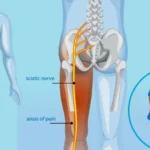
Yes, though thoracic disc herniation is rare. Disc problems are much more common in the lower back, such as at the L4–L5 level, where they may lead to sciatica.
For most mechanical back pain, gentle activity is better than long bed rest. Avoid movements that sharply worsen the pain, and follow your doctor’s or physiotherapist’s advice.
An orthopaedic specialist is a good first point of contact for spine-related pain. They can assess you and refer you to another specialist if the cause lies elsewhere.
Yes. Stress often makes people tense the neck and shoulder muscles, which can lead to stiffness and aching in the upper back.
Upper back pain is usually your body’s response to posture, strain or stress, and it often settles with simple care. But knowing the less common upper back pain reasons, such as disc problems, fractures or pain coming from the heart or lungs, helps you act at the right time.
If your pain is persistent, severe or comes with any of the red-flag symptoms above, don’t ignore it. A timely visit to an orthopaedic specialist can help you get a clear diagnosis and a treatment plan suited to you. To book a consultation with Dr. (Prof.) Anil K Jain at Avee Hospital, visit the Orthopaedics Department