Last Stages of Sciatica
- Home
- Last Stages of Sciatica
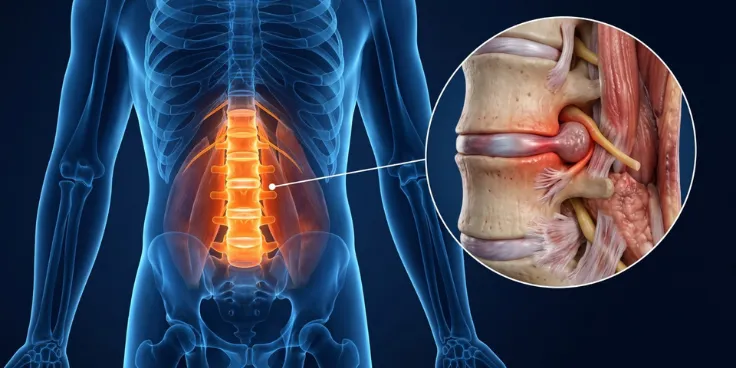
If you have lived with sciatica for weeks or months, one question probably keeps coming back: when will this end? The burning, shooting nerve pain in your back and legs can take over your sleep, your work, and even simple things like sitting through a meal. The good news is that for most people, sciatica does reach a turning point.
The last stages of sciatica are the phase where the irritated nerve begins to calm down. Pain becomes less sharp; it stays closer to the lower back instead of racing down the leg, and daily movement slowly becomes easier. But this phase can also be confusing. Some people mistake a quiet spell for full recovery, while others ignore warning signs that the condition is actually getting worse.
We explain what happens in the final phase, which recovery signs you can trust, how symptoms can differ in women, and which treatments truly help. The insights reflect the clinical approach followed by the spine team at Avee Hospital, led by Dr. (Prof.) Anil K Jain.
Sciatica is not a disease on its own. It is a set of symptoms caused when the sciatic nerve, the longest nerve in the body, gets compressed or inflamed. The nerve starts from roots in the lower spine (L4 to S3), passes through the buttock and runs down the back of each leg to the foot. That is why the pain often travels instead of staying in one place.
Many people search for “sciatica disease” as if it were a single illness. In reality, sciatica is a sign of an underlying problem that needs to be identified.
Because the sciatic nerve sits low in the spine, sciatica often appears together with one-sided pain. For example, a disc problem on the right side may show up as lower right back pain that spreads into the right hip and leg. Pinpointing the exact sciatica pain reason is the first step towards lasting relief.
Sciatica usually moves through recognisable phases. Timelines vary from person to person, but knowing the pattern helps you understand where you stand and what to expect next.
| Stage | Typical Timeline | What You May Feel | Main Treatment Focus |
|---|---|---|---|
| 1. Acute stage | First 1–2 weeks | Sudden, sharp or burning pain from the lower back down one leg; pain with coughing, sneezing or bending | Pain control, short rest, gentle movement, anti-inflammatory medicines |
| 2. Subacute stage | 2–6 weeks | Pain still present but less intense; tingling or numbness may continue | Guided physiotherapy, posture correction, walking |
| 3. Chronic stage | Beyond 12 weeks | Ongoing or recurring pain, stiffness, weakness in the leg or foot | Detailed imaging, specialist review, injections or advanced care |
| 4. Last stage (recovery phase) | Varies; often weeks after the peak | Pain shifts back towards the spine, longer pain-free periods, returning strength | Strengthening, flexibility work, relapse prevention |
| Warning stage (needs urgent care) | Any time | Bladder or bowel changes, numbness in the groin, worsening leg weakness | Emergency evaluation; surgery may be needed |
Most people with disc-related sciatica improve within about six weeks with conservative care. However, the last stages of sciatica look different for each person. A young office worker with a small disc bulge may recover quickly, while an older adult with spinal stenosis may need a longer, more structured plan.
In the final phase, the nerve is healing but still sensitive. You may notice a mix of improving and lingering symptoms:
Sciatica affects both men and women, but some women’s sciatica symptoms are linked to life stages and body structure:
Women also tend to describe more pain in the buttock and hip area. If your pain is linked to your cycle or pregnancy, tell your doctor, as the treatment plan will need to be adjusted.
How do you know your body is actually getting better? These are the recovery signs spine doctors look for during the last stages of sciatica:
Some changes mean the nerve is under more pressure, not less. Seek urgent medical care if you notice:
These may point to cauda equina syndrome or another serious condition that needs same-day evaluation.
The right plan depends on the cause, your age, and how long symptoms have lasted. Effective Sciatica Treatments usually follow a step-by-step approach, starting with the simplest options.
A physiotherapist can guide you through nerve-gliding movements, core strengthening and gentle stretches for the hamstrings and piriformis. In the last stages of sciatica, this phase matters most, because a strong core reduces pressure on the discs and lowers the risk of relapse.
Many patients find added comfort through pressure-point therapy. Commonly used Acupressure Points for Sciatica include points in the lower back, the buttock, and behind the knee. Acupressure works best as a supportive therapy alongside medical care, not as a replacement for it.
People often ask how to cure sciatica permanently. The honest answer is that lasting results come from treating the root cause and changing the habits that triggered it. If a disc fragment is pressing on the nerve, removing it can bring long-term relief. For most others, a mix of strengthening, weight control, ergonomic changes and regular activity keeps sciatica from coming back. For patients who do need an operation, Avee Hospital offers advanced spine surgery in Ghaziabad with a focus on quicker, safer recovery.
Mild sciatica often settles on its own, but waiting too long can turn a manageable problem into a chronic one. Book a consultation with a sciatica specialist if:
At Avee Hospital, every sciatica case starts with a careful history, a physical and neurological examination and, when needed, an MRI to find the exact source of nerve compression. Treatment is then planned step by step, from physiotherapy and medicines to injections and minimally invasive surgery, only when it is truly required.
The spine team is led by Dr. (Prof.) Anil K Jain, an experienced spine surgeon who believes in conservative care first and surgery only when the evidence supports it. His approach focuses on explaining each option clearly so patients can make informed decisions about their own recovery.
It depends on the cause and your overall health. Many people notice steady improvement over a few weeks once the acute phase passes. Lingering numbness can take a few months to fully resolve, because nerves recover slowly.
Yes. When leg pain retreats and settles in the lower back, it usually means pressure on the nerve root is easing. This is generally a good recovery sign.
It can, especially if the original cause, such as a weak core, poor posture, or a bulging disc, is not addressed. Regular exercise and good ergonomics greatly reduce the risk.
Yes. Gentle walking improves blood flow, reduces stiffness, and supports nerve healing. Start with short walks and increase the distance slowly.
Most pregnancy-related sciatica is uncomfortable but not harmful, and it often improves after delivery. Always consult your doctor before starting exercises or medicines while pregnant.
It can be, if the pain travels into the buttock or down the leg. However, lower right back pain can also come from the kidneys, muscles or abdominal organs, so a proper diagnosis is important.
Surgery is considered when pain does not improve after 6 to 12 weeks of proper treatment, when leg weakness is worsening, or when there are signs of cauda equina syndrome.
Reaching the last stages of sciatica is a real milestone. Pain that once ran down your leg is easing, your strength is returning, and life is starting to feel normal again. The key now is to protect that progress: keep moving, build core strength, watch your posture, and do not ignore any warning signs.
If your symptoms are lingering, keep coming back, or simply are not improving the way they should, a timely expert opinion can make all the difference. Book a consultation with Dr. (Prof.) Anil K Jain at Avee Hospital for a clear diagnosis and a treatment plan built around your recovery goals.