Why Blood Pressure Needs Extra Monitoring in Cold Weather
- Home
- Why Blood Pressure Needs Extra Monitoring in Cold Weather
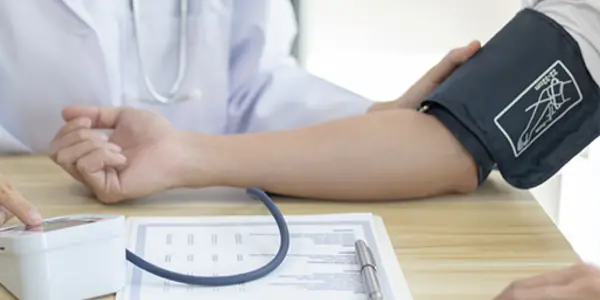
Cold weather can be refreshing, but for people living in Vaishali, Ghaziabad, winter often brings hidden health challenges–especially for those dealing with high blood pressure (hypertension).If you or a family member has a history of hypertension, understanding why blood pressure needs extra attention in colder weather is crucial to avoiding serious complications.
According to Dr. Kush Ohri, cardiologist at Avee Hospital, winter is a critical time for blood pressure changes.This is why regular monitoring and prompt medical advice are essential for residents of Vaishali and surrounding areas.
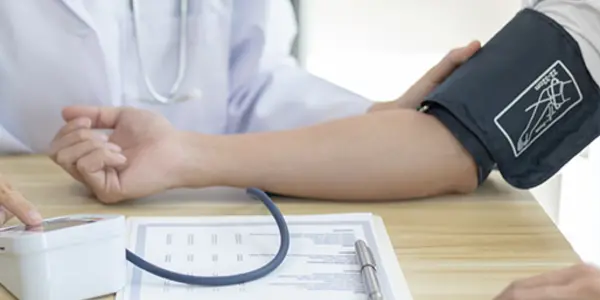
We’ll discuss the research of winter-related blood pressure fluctuations and who’s at risk, the warning indicators to look out for and the best time to see with a best physician in Ghaziabad.
Blood pressure is the force that blood exerts against the artery wall. It is a natural fluctuation throughout the day based on stress levels, activity and even the temperature of the environment.
When it is cold:
This could result in an increase of blood pressure measurements.
Research has shown that blood pressure systolic tends to increase during winter months, which increases the chance of suffering from heart attacks and stroke. That’s why getting the best physician in Ghaziabad during winter months is crucial.
Let’s examine the way your body reacts when exposed to cold temperatures:
The cold temperatures can cause the arteries and veins to narrow which reduces loss of heat. But, this can also increase the resistance of blood vessels which raise blood pressure.
The cold weather can raise cortisol and adrenaline levels which can temporarily increase blood pressure.
The less sunlight exposure lowers Vitamin D levels which can contribute to heart disease risk.
In winter, people
All of these factors contribute to a rise in blood pressure.
For those looking for the best hospital in Vaishali Ghaziabad Preventive winter checks will help to avoid emergency situations.
Although everyone is susceptible to experiencing slight fluctuations in blood pressure some groups need extra attention:
If you fit into one the categories listed above, frequent appointment with an physician doctor in Ghaziabad would be highly suggested.
Vaishali and the surrounding Ghaziabad areas experience significant drops in temperature during the peak winter months. Cold waves that are sudden can cause:
Finding the most reputable hospitals located in Vaishali Ghaziabad assures prompt diagnosis and appropriate medication adjustments.
High blood pressure is commonly known as the “silent killer,” but in winter certain people might be suffering from:
If you are experiencing these symptoms, don’t ignore these symptoms. Booking an immediate appointment with a qualified doctor is the best way to avoid life-threatening complications.
If you are being treated for hypertension, you should:
Patients who visit Avee Hospital, Vaishali Sector 6, regularly receive personalized winter monitoring plans specific to their condition.
Inability to check blood pressure in colder weather could lead to:
Constrictions of blood vessels due to cold increase the workload of the heart.
The high blood pressure can be the main cause of stroke.
Chronic hypertension can damage kidney vessels.
Uncontrolled hypertension over time reduces the strength of the heart muscle.
An appointment with Dr. Kush Ohri allows for early detection and medication adjustments before any complications occur.
Here are the steps that can be taken by the most renowned doctor of Ghaziabad:
Indoor exercises like:
Help to maintain circulation.
The cravings for salty food during winter can increase hypertension. Avoid processed foods.
A lot of people consume less water in the winter months, which could alter circulation.
Alcohol can cause problems with blood pressure medications.
Never skip prescribed medicines.
Talk to an physician in Ghaziabad prior to making any changes to medication.
Health checkups for winter preventive care should comprise:
Patients seeking the most prestigious medical facility within Vaishali Ghaziabad are able to benefit from comprehensive preventive services offered by AVEE Hospital.
The heart is stressed by cold temperatures. This could lead to:
Patients with heart conditions should be particularly be aware.
You should seek medical assistance immediately If you suffer from:
A quick visit to the most renowned doctor in Ghaziabad could save your life.
A trusted family doctor is a crucial factor in:
Patients from Vaishali, Ghaziabad benefit from professional consultation at the AVEE HOSPITAL VAISHALI Section 6 with the direction by the Dr. Kush Ohri.
Not for everyone However, many individuals experience slightly higher blood pressures as a result of vasoconstriction.
Only after consulting with a physician to consult a physician doctor in Ghaziabad. Do not alter dosage by yourself.
Avoid early morning cold exposure. Consider a late morning or indoor exercise.
Yes. Even in colder conditions, staying hydrated is crucial.
At least 3-4 times per week or as recommended by the most qualified doctor located in Ghaziabad.
People living in Vaishali are more inclined to AVEE HOSPITAL VAISHALI SECTOR 6 for the following reasons:
Under the guidance of Dr. Kush Ohri, patients receive scientifically-based treatment specifically tailored to the seasonal health risks.
Winter weather is more than just a seasonal phenomenon. It could drastically affect your blood pressure, specifically in those who are at risk. For those living in Vaishali, Ghaziabad, winter health awareness is vital in preventing serious cardiovascular issues.
Regular monitoring, healthy living practices, and prompt consulting with your most experienced doctor in Ghaziabad could be a significant factor in maintaining the health of your heart during winter.
If you or someone else in your family suffer from fluctuating blood pressure in the winter months, do not put it off. Plan a visit to the most reputable health center located situated in Vaishali Ghaziabad or speak with an expert physician in Ghaziabad to get a personalized treatment.
Early detection can save lives. Keep warm. Keep an eye on. Keep yourself healthy.