Ligament Injury Treatment
- Home
- Ligament Injury Treatment
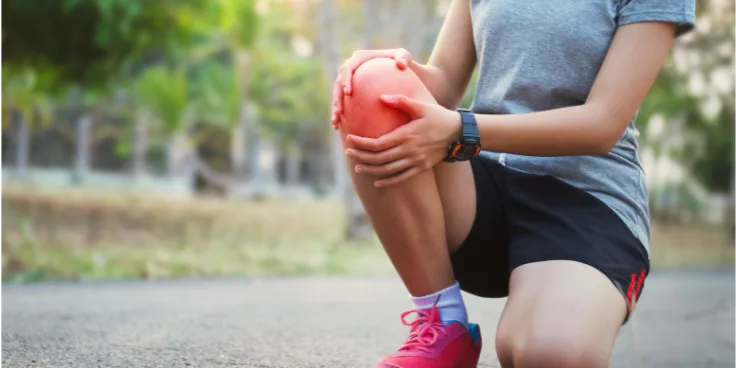
One wrong step on a football field, a sudden twist on a badminton court, or a slip on a wet staircase is all it takes. You hear a pop, feel a sharp jolt, and within hours the joint swells. For many people, that moment marks the start of a ligament injury.
The good news is that most ligament injuries heal well when they are diagnosed early and managed correctly. The bad news is that rushing back too soon, or ignoring the problem, can turn a simple sprain into long-term instability, recurring swelling and early arthritis.
This guide explains how Ligament Injury Treatment actually works, from first aid in the first 48 hours to surgery and rehabilitation. It is based on the approach followed by the orthopedic team at Avee Hospital, led by Dr. (Prof) Anil K Jain. You will learn how doctors grade an injury, which tests confirm it, what recovery looks like week by week, and what you can do to heal faster without putting your joint at risk.
Ligaments are tough, fibrous bands of connective tissue that join one bone to another. Think of them as the strong ropes that keep a joint stable while still letting it move. The knee depends on them more than almost any other joint in the body.
The knee joint bones are three in number:
The fibula sits beside the tibia and anchors one of the ligaments, but it does not bear weight inside the joint itself.
Four main ligaments hold these bones together:
When any of these is stretched beyond its limit, it can partly or fully tear. Because ligaments have a limited blood supply, they heal more slowly than muscle, which is why structured treatment matters so much.
Most ligament injuries happen in a split second. Common causes include:
Ligament pain usually feels sharp at the moment of injury and then settles into a deep ache around the joint. Other warning signs include:
Patients often search for ligament fracture, but ligaments do not break the way bones do; they tear. However, a violent pull can rip a ligament away along with a small chip of the bone it is attached to. Doctors call this an avulsion fracture. It is common at the attachment points of the ACL and PCL, especially in teenagers and young adults.
An avulsion fracture needs an X-ray or CT scan to confirm. If the bone fragment has moved, it may need to be fixed back in place surgically. This is one reason why knee pain after a twist should always be checked rather than self-treated.
Orthopaedic surgeons grade ligament injuries by how much of the ligament is damaged. The grade decides almost everything that follows, from whether you need a brace to whether surgery is the better option.
| Grade | What happens to the ligament | Typical symptoms | Usual treatment | Approximate recovery time |
|---|---|---|---|---|
| Grade 1 (mild sprain) | Fibres are stretched, with microscopic tears | Mild pain, little swelling, knee feels stable | Rest, ice, compression, physiotherapy | 1 to 3 weeks |
| Grade 2 (partial tear) | Part of the ligament is torn | Moderate pain and swelling, some looseness | Hinged brace, guided physiotherapy, gradual loading | 3 to 8 weeks |
| Grade 3 (complete tear) | Ligament is fully torn or detached | Significant swelling, knee gives way, difficulty walking | Brace and rehab for some MCL tears; reconstruction surgery often advised for ACL/PCL | 3 to 4 months (non-surgical MCL) to 6 to 9 months (after ACL reconstruction) |
| Avulsion injury | Ligament pulls off a fragment of bone | Pain, swelling, tenderness at attachment point | Immobilisation, or surgical fixation if the fragment is displaced | 2 to 4 months, depending on fixation |
These timelines are general ranges. Age, fitness level, other injuries such as a meniscus tear, and how closely you follow rehabilitation all affect your actual recovery.
Many people want to know how to test for knee ligament injury at home. You can notice warning signs, such as swelling or the knee buckling, but a reliable diagnosis needs a trained examiner. Pressing or twisting an injured knee yourself can worsen the tear.
At a specialist clinic, the assessment usually follows these steps:
Doctors often recommend waiting a few days for the swelling to settle before repeating the examination, as pain and fluid can hide the true degree of looseness.
No single plan suits every patient. Effective ligament tear treatment is matched to the grade of injury, the ligament involved, your age and your activity goals. At Avee Hospital, the options fall into three broad stages.
The aim is to control pain and swelling and protect the joint. Doctors commonly advise the PRICE approach:
Avoid massage, heat and alcohol during this early phase, as they can increase swelling.
Most Grade 1 and 2 injuries, and many isolated MCL tears, heal without an operation. Treatment may include:
Surgery is usually advised for complete ACL or PCL tears in active people, injuries involving several ligaments, displaced avulsion fractures, or knees that keep giving way despite rehabilitation.
The most common procedure is arthroscopic ligament reconstruction. Through small keyhole cuts, the surgeon replaces the torn ligament with a graft, often taken from your own hamstring or patellar tendon. Keyhole techniques generally mean smaller scars, less pain and earlier mobility than open surgery.
For a detailed look at procedures for knee injuries specifically, read our page on knee ligament injury treatment.
Healing faster does not mean pushing harder. It means giving the ligament the right load at the right time. These habits make the biggest difference:
| Phase | Timeframe | Main goals |
|---|---|---|
| Protection | Week 0 to 2 | Reduce swelling, regain full straightening, walk with support |
| Early rehab | Week 2 to 6 | Restore bending, normal walking, gentle strengthening |
| Strengthening | Week 6 to 12 | Build muscle power, cycling, balance training |
| Return to activity | Month 3 to 9 | Running, agility drills, sport-specific training after clearance |
The exact pace depends on your grade of injury and whether you had surgery.
Knee Pain While Climbing Stairs is one of the most common complaints orthopaedic doctors hear. Stairs place up to three or four times your body weight through the knee, so any weakness in the joint shows up quickly.
A partly healed or untreated ligament tear can cause:
Stair pain is not always ligament-related. Kneecap problems, meniscus tears and early osteoarthritis can feel similar. That is why a proper examination matters before you choose a treatment.
Choosing where to get treated is as important as choosing the treatment itself. The Orthopaedics Department at Avee Hospital brings diagnosis, surgery and rehabilitation together under one roof, so patients do not have to coordinate between multiple centres.
The team is led by Dr. (Prof) Anil K Jain, a senior orthopaedic surgeon known for his patient-first approach. His philosophy is simple: avoid surgery when the knee can heal well without it, and when surgery is needed, plan it carefully and support the patient through every stage of recovery.
What patients can expect:
Mild and partial tears often heal with rest, bracing and physiotherapy. Complete ACL tears rarely heal by themselves, and active people usually need reconstruction to regain stability.
It ranges from 1 to 3 weeks for a mild sprain to 6 to 9 months after ACL reconstruction. Your grade of injury and commitment to rehab decide the timeline.
Gentle walking is usually encouraged once your doctor allows it, as it supports blood flow and movement. Avoid long walks, slopes and stairs until your knee feels stable.
Use ice for the first 48 to 72 hours to control swelling. Heat may help later to relax stiff muscles before exercise, but only once swelling has settled.
Modern arthroscopic surgery uses small cuts and effective pain control. Most patients start walking with support within a day or two.
The knee may keep giving way, which can damage the meniscus and cartilage and raise the risk of early arthritis.
Book a consultation if you have swelling after a twist, instability, pain on stairs, or any knee pain lasting more than a week.
A ligament injury does not have to end your active life. With an accurate diagnosis, the right mix of rest, physiotherapy or surgery, and patience during rehabilitation, most people return to work, sport and stairs with confidence.
The safest route to recovery is expert-guided Ligament Injury Treatment that matches your specific injury. If your knee is swollen, unstable or painful after a twist or fall, do not wait for it to “settle on its own.”
Book a consultation with Dr. (Prof) Anil K Jain at Avee Hospital and take the first step toward a stronger, stable knee.