How Pregnancy Hormones Affect Your Stomach and Digestion
- Home
- How Pregnancy Hormones Affect Your Stomach and Digestion
Vaishali,Ghaziabad’s Trusted Multispecialty Hospital | +91 8121212835
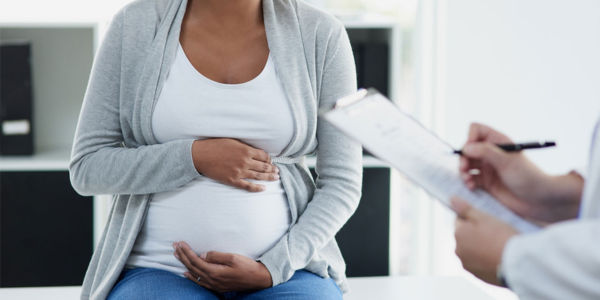
Pregnancy causes big shifts in your body, and your stomach and digestion often feel the impact the most. Understanding how pregnancy hormones affect digestion can make it easier to handle these day-to-day changes. Many pregnant women in areas like Vaishali and Ghaziabad often ask whether diarrhea could be a sign of pregnancy or why their stomach feels different in unexpected ways.
The link between pregnancy hormones and digestion can be complex. While these hormones work together to support your developing baby, they can also bring some uncomfortable digestive issues. At AVEE Hospital, Vaishali Sector 6, we understand these challenges and provide expert guidance to help manage them. For trusted care during pregnancy, consulting the best gynaecologist in Ghaziabad ensures both mother and baby receive the right attention.
Pregnancy’s effect on your digestion becomes clearer when you explore the major hormonal shifts in your body. Progesterone, which many call the “pregnancy hormone,” takes the lead in changing how your digestive system works during pregnancy.
Table of Contents
ToggleProgesterone relaxes smooth muscle tissue in your entire body, including your digestive muscles. This relaxation plays a key role in stopping early uterine contractions. But at the same time, it slows down digestion and can cause different stomach issues.
This hormone makes your gut more responsive to calming neurotransmitters and boosts how much nitric oxide your body makes. Studies reveal that progesterone lowers activity in smooth muscle cells, causing your stomach to empty food more. So, food stays in your stomach longer, which can make you feel too full or even lead to acid reflux.
Estrogen plays a role in digestive shifts by affecting how the body manages appetite and food choices. Hormonal changes can alter how leptin and ghrelin, the hormones that control hunger and fullness, work in your body. Some women find they become more sensitive to bitter flavors, while others report stronger cravings or sudden dislikes for certain foods.
A common question among women is whether diarrhea can signal pregnancy in the early weeks. Although pregnancy is often linked to constipation because digestion slows, diarrhea might also occur in the first trimester. Causes of diarrhea might include changes in diet, the effect of prenatal vitamins, or hormonal shifts that influence gut health.
Studies show that 91% of pregnant women deal with morning sickness in the first trimester, and up to 80% end up with heartburn at some stage of pregnancy. These numbers reflect how widespread digestive problems are during pregnancy.
The question does progesterone leads to constipation has a straightforward answer: yes. Progesterone has a major role in causing constipation when someone is pregnant. Its effect on relaxing muscles slows down how the intestines work, which makes it tougher for the body to move waste through the digestive system.
This slow digestion symptom becomes more noticeable as pregnancy moves forward and levels of progesterone keep climbing. The intestines also face extra pressure from the growing uterus, which makes the issue worse.
Stomach cramps and diarrhea during early pregnancy can worry expecting moms. These signs can hint at different issues, like hormonal shifts, food issues, or infections. Knowing when to seek medical care helps keep both mom and baby healthy.
Heartburn and acid reflux often show up more as pregnancy goes on. Hormones affecting the esophagus and pressure from the growing baby allow stomach acid to move upward, which causes irritation.
To Female hormone disorder and digestive troubles, a mix of methods works best. Research-backed options include changing diets, adjusting daily habits, and using safe medical treatments when needed.
Experts recommend eating smaller meals more often to adjust to slower digestion. Steering clear of trigger foods like acidic, spicy, or greasy items can lower the chances of heartburn and stomach upset. Adding more fiber can help ease constipation, and drinking plenty of water helps keep the digestive system working well.
Changes in daily habits like staying upright after eating can lower reflux risk. Doing gentle approved exercises can support better digestion. Managing stress is important too because it can make digestive issues worse during pregnancy.
AVee Hospital stands out as the best gynecology hospital in Ghaziabad, offering focused care to address digestive problems during pregnancy. Our skilled team knows the difficulties hormonal changes bring during pregnancy and creates tailored treatments to meet each patient’s needs.
Known as the leading hospital in Vaishali, Ghaziabad, our healthcare staff provides thorough antenatal care to help observe and handle digestive discomfort. We combine proven medical methods with empathetic care to give both mother and baby the best support through every stage of pregnancy.
| Symptom | Prevalence | Peak Occurrence | Primary Cause |
| Morning Sickness | 91% | First Trimester | hCG, Estrogen |
| Heartburn | 80% | Second/Third Trimester | Progesterone, Physical Pressure |
| Constipation | 70% | Throughout Pregnancy | Progesterone |
| Food Aversions | 85% | First Trimester | Hormonal Changes |
| Diarrhea | 30% | First Trimester | Dietary Changes, Hormones |
Niya, a 28-year-old mom-to-be living in Vaishali, dealt with intense stomach troubles in her second trimester. She found it hard to manage frequent heartburn and constipation, both of which disrupted her sleep and routine a lot.
Niya talked with our gynecology specialists and got a plan made just for her. It focused on changes in diet, ways to position herself, and the right kind of medical care. Two weeks after she followed these suggestions, she noticed that her symptoms got a lot better.
“The advice I got showed me that these symptoms were common and also something I could handle,” Niya said. “The way the team helped me made me feel sure about my pregnancy, knowing I could rely on professionals if I had any worries.”
This example shows how expert medical advice can change how someone experiences pregnancy, making difficult symptoms easier to manage as part of a healthy pregnancy.
Q: When should I worry about digestive issues during pregnancy?
A: Talk to your doctor if you’re throwing up so much you can’t eat, if diarrhea lasts more than a day, if your stomach hurts bad, or if you show signs you’re dehydrated.
Q: Is it okay to use antacids while pregnant?
A: A lot of antacids are okay to use while you’re pregnant, but make sure to check with your doctor first. They can tell you if it’s safe for your situation.
Q: Do pregnancy hormones change appetite forever?
A: Hormones during pregnancy usually cause short-term appetite changes, and things often go back to usual after pregnancy and nursing. But some women find their food preferences shift for good.
Q: How can I tell the difference between regular pregnancy symptoms and something more serious?
A: Typical symptoms usually aren’t too hard to handle and don’t disrupt your routine. You should see a doctor if symptoms are severe, don’t go away, or keep getting worse.
Q: Could digestive issues cause problems for my baby?
A: Most digestive troubles don’t affect your baby. Still, if they are so bad that you can’t eat or drink properly, you should get medical help right away.
Knowing how pregnancy hormones influence your digestion helps you handle these changes with more confidence. While digestive shifts are a natural part of pregnancy, getting advice from a doctor ensures you receive the right care at the right time.
For expert care during pregnancy and support in managing hormone-related digestive issues, trust the skilled team at AVee Hospital, Vaishali Sector 6. With a strong commitment to providing top-quality gynecological services, it is regarded as the best hospital in Vaishali Ghaziabad, making it a trusted choice for expectant mothers in the region.