Heart Attack Kyon Aata Hai?
- Home
- Heart Attack Kyon Aata Hai?
Vaishali,Ghaziabad’s Trusted Multispecialty Hospital | +91 8121212835
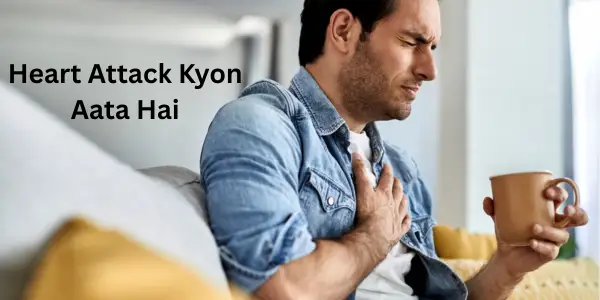
Table of Contents
ToggleA heart attack rarely happens without warning. In most cases, the body has already been sending out small signals for weeks, months, or even years before the actual event takes place. Yet because these signals are subtle, busy lifestyles and a general lack of health awareness mean that they are easily ignored. Understanding Heart Attack Kyon Aata Hai, recognizing heart attack pain early, and knowing exactly what to do in an emergency can be the difference between life and death. In this guide, the cardiology team at Avee Hospital breaks down everything you need to know in simple, practical language.
A heart attack, medically known as a myocardial infarction, occurs when the blood supply to a part of the heart muscle is suddenly blocked. The heart works continuously, pumping oxygen-rich blood throughout the body, and it depends on its own network of blood vessels called coronary arteries to receive oxygen and nutrients. When one of these arteries becomes blocked, usually due to a buildup of fatty deposits called plaque, the portion of the heart muscle fed by that artery starts to get damaged within minutes. The longer the blockage remains, the more permanent the damage becomes, which is why every single minute counts.
This is exactly why understanding why heart attack occurs is not just medical trivia, it is practical knowledge that protects you and the people you love.
So, heart attack kyon aata hai? At its core, the answer almost always traces back to a condition called atherosclerosis, where cholesterol, fat, and other substances slowly accumulate inside artery walls. Over the years, this buildup hardens and narrows the artery, restricting blood flow. If a piece of this plaque ruptures, the body reacts by forming a blood clot at the site, and this clot can completely block the artery, triggering a heart attack.
Several everyday habits and conditions speed up this process, including:
Understanding why heart attack happens at this biological level helps explain why prevention is almost always more effective than treatment after the fact.
One of the most common reasons people delay seeking help is that they mistake heart attack pain for indigestion, muscle strain, or simple fatigue. Genuine cardiac pain has certain characteristics that set it apart:
It is also important to know that not everyone experiences dramatic, textbook pain. Women, older adults, and people with diabetes often report milder or atypical symptoms such as fatigue, mild discomfort, or simply feeling unwell, which makes awareness even more critical.
Beyond chest pain, the body usually gives several other clues before and during a heart attack. Recognising heart attack symptoms early allows for faster action and significantly better outcomes. Common warning signs include:
If any of these signs appear suddenly or in combination, it should be treated as a medical emergency rather than something to monitor at home.
While anyone can technically experience a cardiac event, certain groups face a noticeably higher risk. Men above 45 and women above 55 are statistically more vulnerable, especially after menopause when natural hormonal protection declines. People with a family history of heart disease, those who lead high-stress professional lives, individuals with poor sleep quality, and patients already managing diabetes, hypertension, or high cholesterol all fall into higher-risk categories. Even younger adults are increasingly being affected due to rising obesity, sedentary jobs, vaping, and poor dietary habits, which is why cardiac screening is no longer something to postpone until middle age.
Knowing heart attack what to do in the first few minutes can dramatically change the outcome. If you or someone nearby shows warning signs, follow these steps immediately:
Every minute without treatment increases the risk of permanent heart muscle damage, so acting fast is far more valuable than trying to self-diagnose at home.
At Avee Hospital, patients arriving with suspected cardiac symptoms are assessed without delay through ECG, blood enzyme tests such as troponin levels, and echocardiography to determine the extent of the damage. Depending on severity, treatment may involve clot-dissolving medication, angioplasty with stent placement, or bypass surgery in more complex cases. The hospital’s cardiology department is equipped with advanced catheterisation facilities and a dedicated emergency cardiac response team, ensuring that patients receive timely, evidence-based care.
Patients seeking expert consultation can also connect with Dr. Ashish Srivastava, a senior cardiologist at Avee Hospital, for a detailed evaluation, risk assessment, and a personalised heart-care plan. Many existing patients have shared their treatment experience through Avee Hospital’s verified reviews, reflecting the hospital’s continued focus on patient-centred cardiac care.
Prevention is built on consistent daily habits rather than occasional effort. Some of the most effective, doctor-recommended steps include:
These small, sustainable changes are often more powerful than any single medical procedure when it comes to protecting long-term heart health.
You should not wait for a major event to consult a heart specialist. Routine check-ups become especially important if you experience recurring chest discomfort, unexplained breathlessness, palpitations, or have a family history of heart disease. Early consultation with the team at Avee Hospital allows for timely screening, lifestyle guidance, and, where necessary, early intervention, well before a minor risk factor turns into a life-threatening emergency.
Rising stress levels, poor sleep, smoking or vaping, unhealthy diets, and undiagnosed conditions like high cholesterol or hidden genetic risk factors are increasingly causing heart attacks in people under 40.
Most people describe it as a heavy pressure, tightness, or squeezing sensation in the chest, often spreading to the arm, jaw, or back, rather than a sharp, stabbing pain.
Call emergency services immediately, unlock your front door if possible, sit in a comfortable position, take aspirin if not allergic, and stay on the phone with the operator until help arrives.
Yes. Some people, particularly women, diabetics, and older adults, experience silent symptoms like fatigue, breathlessness, or nausea without significant chest pain.
Avee Hospital offers comprehensive cardiac screening, risk assessment, and personalized prevention plans through its cardiology department, helping patients manage risk factors before they become emergencies.
Medical Disclaimer: This article is for general informational purposes only and is not a substitute for professional medical advice, diagnosis, or treatment. Always consult a qualified cardiologist at Avee Hospital or another trusted healthcare provider for any concerns regarding your heart health.