6 signs of heart attack a month before
- Home
- 6 signs of heart attack a month before
Vaishali,Ghaziabad’s Trusted Multispecialty Hospital | +91 8121212835
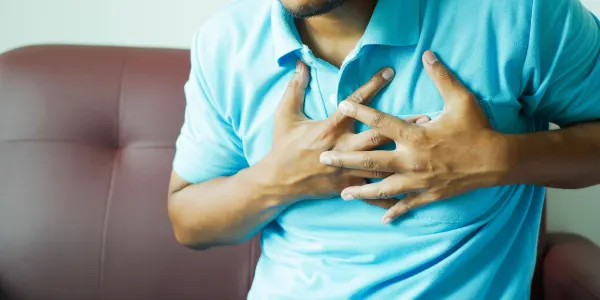
Table of Contents
ToggleA heart attack rarely arrives without warning. In most cases, the body starts sending out distress signals weeks, sometimes even a full month, before the actual event occurs. The trouble is, these signals are often so mild or so easy to explain away — a bit of tiredness here, a little breathlessness there — that people brush past them without a second thought.
That delay can cost lives. Recognising the 6 signs of heart attack a month before they happen gives you and your loved ones a real window to act, get checked, and possibly prevent a cardiac event altogether. In this guide, we’ll walk through these early warning signs in plain language, explain what’s actually happening inside your body, and tell you when it’s time to see a specialist.
At Avee Hospital, our cardiology team, led by Dr. Ashish Srivastava, regularly sees patients who, in hindsight, had been showing subtle symptoms for weeks before their heart attack. This blog is meant to help you spot those signs earlier than they did.
Before we go into the early warning signs, it helps to understand what a heart attack actually looks like once it’s underway. So, what are the symptoms of a heart attack in the classic sense? Typically, people experience:
These are the symptoms most of us have heard about. But a heart attack doesn’t switch on overnight. It builds up gradually as the arteries supplying blood to your heart muscle become increasingly narrow or blocked. That build-up phase is exactly where the early warning signs come in — and that’s where this blog focuses most of its attention.
These six signs commonly show up in the weeks leading up to a heart attack. None of them scream “emergency” on their own, which is precisely why they get ignored. Together, though, they paint a worrying picture.
If you’re feeling drained after simple, everyday activities — climbing a flight of stairs, walking to the car, doing light housework — and this tiredness has crept in without any obvious reason, take note. This happens because the heart is working harder to pump blood through arteries that are gradually narrowing.
Not every early sign feels like the dramatic chest pain we see in movies. Many people describe a vague pressure, tightness, or heaviness in the chest that appears during exertion and fades with rest. It’s easy to dismiss as acidity or muscle strain, but recurring chest discomfort is one of the most telling pre-heart-attack symptoms.
Feeling winded while doing things that never used to bother you — gardening, light walking, even talking on the phone — can indicate that your heart isn’t pumping efficiently. This is one of the heart attack pain equivalents that doesn’t involve pain at all, just an unsettling breathlessness.
Several studies and clinical observations point to disrupted sleep patterns and unexplained anxiety appearing in the weeks before a cardiac event. This may be linked to the body’s stress response as circulation becomes compromised, particularly at night when lying flat can worsen breathing difficulty.
When the heart struggles to pump effectively, fluid can back up in the lower limbs. Mild swelling that wasn’t there before, especially by the end of the day, is worth mentioning to a doctor rather than blaming on long hours of standing or sitting.
Breaking into a sweat without doing anything strenuous, particularly alongside any of the signs above, can be your body’s way of signalling cardiovascular stress. This symptom is often dismissed as anxiety or weather-related, but in combination with fatigue or chest discomfort, it deserves attention.
If you notice two or more of these signs persisting over days or weeks, it’s wise to get a cardiac evaluation rather than wait it out.
So why heart attack comes in the first place is a question many patients ask once they’re past the danger and looking back. The short answer: it almost always comes down to a gradual blockage in the coronary arteries, usually caused by a build-up of fatty deposits called plaque.
Common contributing factors include:
We’ve covered this topic in more depth in our dedicated article on why heart attacks happen, where Dr. Ashish Srivastava breaks down the biological process behind artery blockage in simple terms.
People often imagine heart attack pain as a sharp, stabbing sensation, but the reality is usually different. Most patients describe it as:
Interestingly, women, older adults, and people with diabetes often experience milder or atypical pain, sometimes with no chest pain at all — just fatigue, breathlessness, or nausea. This is one reason heart attacks in these groups are frequently missed or diagnosed late.
These two terms are often used interchangeably, but they describe very different conditions. Understanding the difference between heart attack and heart failure can help you respond appropriately when symptoms appear.
| Aspect | Heart Attack | Heart Failure |
|---|---|---|
| What happens | Sudden blockage cuts off blood supply to part of the heart muscle | Heart muscle weakens over time and can’t pump blood efficiently |
| Onset | Sudden, often within minutes to hours | Gradual, develops over months or years |
| Main cause | Blocked coronary artery | Damaged heart muscle, often from a previous heart attack, high BP, or valve disease |
| Key symptoms | Chest pain, breathlessness, sweating | Persistent fatigue, swelling in legs, breathlessness during activity or rest |
| Emergency level | Immediate medical emergency | Requires ongoing management, though acute worsening is also an emergency |
In simple terms, a heart attack is a sudden event, while heart failure is an ongoing condition — and in many cases, an untreated or repeated heart attack can eventually lead to heart failure.
Knowing how to prevent heart attack risk starts with consistent, manageable lifestyle changes rather than drastic overnight overhauls. Some practical, evidence-backed steps include:
A cardiologist heart attack risk assessment isn’t only for people already experiencing symptoms. It’s worth booking a consultation if you:
A cardiologist can run tests such as an ECG, echocardiogram, lipid profile, and stress test to assess your heart’s condition well before symptoms become severe. Early detection genuinely changes outcomes.
At Avee Hospital, our cardiology department is equipped to conduct these evaluations promptly, and Dr. Ashish Srivastava personally guides patients through a clear, judgment-free treatment plan based on their individual risk profile. You can also find Avee Hospital here to plan your visit.
Yes. Many patients later recall fatigue, mild chest discomfort, or breathlessness in the weeks leading up to their heart attack. These signs are often subtle and easy to overlook.
Unusual fatigue and breathlessness during routine activities are among the most commonly reported early signs, even before chest pain appears.
No. Some people, particularly women and diabetics, experience little to no chest pain and instead notice fatigue, nausea, or anxiety.
A heart attack is a sudden blockage of blood flow to the heart muscle, while heart failure is a long-term condition where the heart gradually loses its pumping efficiency.
Common tests include an ECG, echocardiogram, lipid profile, blood sugar levels, and a cardiac stress test.
Lifestyle changes significantly reduce risk, especially when combined with regular monitoring and timely medical advice for existing risk factors like high BP or cholesterol.
Your heart rarely fails without giving you a heads-up first. Learning to recognise the 6 signs of heart attack a month before — fatigue, mild chest discomfort, breathlessness, disturbed sleep, swelling, and unexplained sweating — could be the difference between a preventable scare and a life-threatening emergency.
If you or someone you know has been experiencing any of these symptoms, don’t wait for them to worsen. Reach out to the cardiology team at Avee Hospital and consult Dr. Ashish Srivastava for a thorough heart health evaluation. Early awareness, paired with timely expert care, remains one of the most powerful tools we have against heart disease.