Understanding Internal Fixation: A Guide to Fracture Treatment
- Home
- Understanding Internal Fixation: A Guide to Fracture Treatment
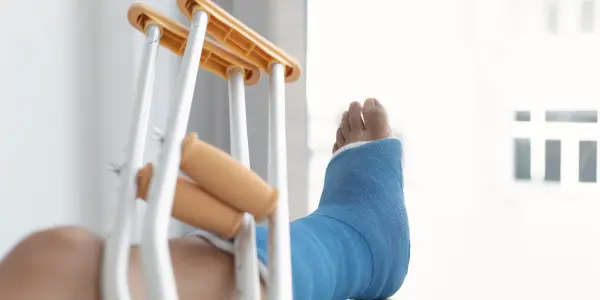
Fractures can be debilitating, affecting your mobility and quality of life. When a bone breaks, proper treatment is essential for optimal healing and recovery. Among the various treatment options available, internal fixation for fractures has emerged as a highly effective approach for managing complex fractures. This surgical technique utilizes specialized instruments and methods of implants to stabilize broken bones and facilitate proper healing.
In Ghaziabad, particularly in the Vaishali area, patients seeking advanced bone fracture treatment have access to exceptional orthopedic care. AVEE Hospital in Vaishali Sector 6 stands out as a premier medical facility offering specialized orthopedic services under the guidance of experienced specialists like Dr. Anil Jain. This comprehensive guide explores everything you need to know about internal fixation procedures, their benefits, risks, and what to expect during recovery.
Fractures happen when a bone is subjected to excessive force, resulting in a break partially or completely. They can result from various causes including:
The severity and location of a fracture significantly influence the treatment approach. While some fractures can heal with conservative management like casting or splinting, more complex fractures often require surgical intervention through internal fixation.
Modern bone fracture treatment techniques have evolved significantly, with internal fixation becoming a preferred approach for many complex cases. This advancement has revolutionized how orthopedic specialists address serious fractures, particularly those that are displaced or unstable.
Internal fixation fractures require specialized surgical expertise to ensure proper alignment and optimal healing outcomes. This procedure involves surgically placing and securing implants like screws, plates, rods, or wires directly onto or into the bone to hold the fractured pieces together while healing occurs.
The decision to use internal fixation for fractures depends on several factors, including the location and severity of the fracture, and patient health status. This approach is particularly beneficial for:
Several types of implants are used in internal fixation procedures, each designed for specific fracture patterns and locations:
These are the most commonly used implants in orthopedic surgery. Metal plates are secured to the surface of the bone with screws, effectively holding fractured segments together. They offer exceptional stability and are especially beneficial for:
These long, rod-shaped implants are inserted into the medullary canal (hollow center) of long bones. They provide internal support and are ideal for:
In some cases, screws may be used without plates to compress and stabilize certain fractures, particularly:
These smaller implants are useful for:
This procedure surgically restores fractured bones by realigning and fixing them with implants method used to treat broken bones method used to realign and stabilize fractured bones method used to realign and stabilize broken bones involves realigning the bone fragments and securing them with implants. The procedure typically follows these steps:
The patient is administered either general or regional anesthesia depending on the fracture location and patient factors. The surgical site is cleaned and prepared to minimize infection risk.
The surgeon makes an incision to access the affected area site of the fracture. The size and placement of the incision depend on the fracture’s location and severity. Soft tissues are gently retracted to reveal the broken bone.
This critical step involves carefully manipulating the bone fragments back into their correct anatomical position. Specialized instruments help achieve precise alignment.
Once properly aligned, the surgeon secures the bone fragments using the appropriate internal fixation devices. This might involve:
X-rays or fluoroscopy (real-time X-ray imaging) are often used during surgery to confirm proper alignment and implant placement.
After fixation is complete, the surgeon closes the incision in layers, using sutures or staples for the skin.
ORIF surgery may be recommended when fractures are displaced or unstable, requiring surgical intervention for proper healing. The duration of The procedure generally takes between 1 and 3 hours, based on its complexity fracture.
Internal fixation offers several significant advantages over traditional treatment methods:
Internal fixation provides superior stability compared to external immobilization alone. This enhanced stability:
One of the most significant advantages is the potential for earlier movement:
The internal fixation recovery process typically involves Physical therapy followed by a gradual return to normal activities under medical supervision. This approach often leads to:
Many patients requiring internal fixation can be discharged sooner than those with traditional treatments, reducing hospitalization time and associated complications.
While internal fixation offers many benefits, patients should be aware of potential risks:
As with any surgery, internal fixation carries certain risks:
Issues specific to the implants themselves include:
Despite proper fixation, healing issues may occur:
Recovery following internal fixation varies based on the fracture location, severity, and individual factors. However, a general timeline includes:
Dr. Anil Jain is recognized as one of the best orthopedic doctors in Ghaziabad, with extensive experience in fracture management and internal fixation procedures. As the Medical Director at AVEE Hospital, he brings impressive credentials to patient care:
Under his leadership, the orthopedic department at AVEE Hospital provides comprehensive care for various fracture types, employing the latest techniques in internal fixation and other treatment modalities.
If you require fracture surgery in Ghaziabad, understanding the process can help alleviate anxiety. At AVEE Hospital, an experienced orthopedic surgeon in Ghaziabad will guide you through a surgical journey that typically includes
AVEE Hospital orthopedics department is equipped with advanced technology for diagnosing and treating various bone and joint conditions. This guarantees that patients receive care of the highest quality throughout their treatment journey.
If you’re scheduled for ORIF surgery, proper preparation can help ensure a smoother experience and faster recovery:
Rehabilitation is essential for recovery following internal fixation. A structured rehabilitation program typically includes:
Consulting with a fracture specialist in Ghaziabad is vital for identifying the most suitable treatment method. These specialists can develop personalized rehabilitation plans based on your specific fracture type, fixation method, and individual needs.
Internal fixation for fractures represents a significant advancement in orthopedic care, offering improved outcomes for many patients with complex fractures. The procedure enables better alignment, faster healing, and often quicker return to function compared to traditional methods.
For residents of Ghaziabad and surrounding areas, AVEE Hospital in Vaishali Sector 6 is recognized as one of the best orthopedic hospitals in Ghaziabad, offering comprehensive services including advanced internal fixation procedures. Under the guidance of experienced specialists, patients receive personalized care from diagnosis through recovery.
If you or a loved one has experienced a fracture, consulting with an orthopedic specialist promptly significantly contributes to selecting the optimal treatment strategy.. With proper care and rehabilitation, most patients can expect excellent outcomes and return to their normal activities following internal fixation surgery.
For appointments or more information about fracture care at AVEE Hospital, contact their orthopedic department directly. Their team can provide guidance on treatment options and help you navigate the path to recovery.