Fracture or Ligament Tear? How to Identify the Real Issue
- Home
- Fracture or Ligament Tear? How to Identify the Real Issue
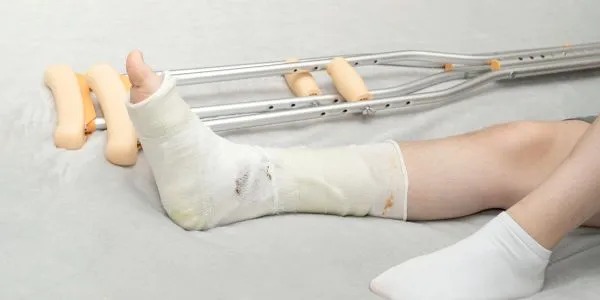
Musculoskeletal injuries can be both painful and confusing. When you experience sudden pain following an accident or sports activity, determining whether you’re dealing with a fracture or a ligament tear can be challenging. Both injuries share similar symptoms but require different treatment approaches. Understanding the key differences in fractures vs ligament tears can help patients seek appropriate medical care faster.
At AVEE HOSPITAL in Vaishali, Ghaziabad, we regularly see patients who are uncertain about the nature of their injury. This guide helps you understand these injuries, their symptoms, diagnosis, and treatments. Proper knowledge helps you know when to seek medical help.
A fracture is a bone break; the terms fracture and break are used interchangeably. It happens when force exceeds the bone’s strength.
Fractures come in various forms, each with distinct characteristics:
Fracture treatment varies from conservative care to surgery based on severity and location. Healing involves a callus forming around the fracture, which hardens and remodels over time.
Knee ligament tears are among the most common sports injuries that require specialized orthopedic care. Ligaments are strong tissues connecting bones to bones, stabilizing joints. When these tissues stretch beyond their capacity or tear, it results in a ligament injury.
The knee’s complex structure and stress make ligament injuries common. It has four main ligaments:
Recognizing the symptoms of ligament tear early can prevent further damage and improve treatment outcomes. These injuries are graded based on severity:
The fundamental difference between fracture and ligament tear lies in the type of tissue affected and the resulting symptoms. While both can cause pain, swelling, and limited mobility, there are distinct characteristics that can help differentiate between them:

Learning how to tell if you have a fracture or ligament tear can help you make informed decisions about seeking medical care. However, it’s important to note that these are general guidelines, and some injuries may present with atypical symptoms.
Ligament tears, particularly in the knee, present with specific symptoms that differ from fractures Knowing these signs helps you spot the injury and get proper treatment.
Joint Instability: The feeling that your joint is loose or “giving way” during movement
If you experience these symptoms after an injury, consulting with an experienced orthopedic surgeon in Ghaziabad is essential for accurate diagnosis and effective treatment of musculoskeletal injuries.
Fracture treatment depends on location, severity, type, age, health, and activity level.
For simple, non-displaced fractures, non-surgical treatment may include:
Severe fractures may need surgery, which can include:
Knowing when to seek medical attention for a fracture can prevent complications and ensure proper healing. Immediate medical care is necessary if you experience severe pain, visible deformity, inability to move the affected area, or if the bone has broken through the skin.
Ligament tear treatment depends on injury severity, ligament involved, and patient’s activity level.
For minor to moderate ligament injuries, treatment may include:
Severe ligament tears, especially those affecting athletic performance or daily activities, may require surgery:
The recovery time for ligament tear varies depending on the severity, location, and treatment approach. Complete recovery from major ligament surgeries, such as ACL reconstruction, can take 6-12 months.
While professional medical diagnosis is essential, there are some preliminary assessments you can perform to help determine the nature of your injury:
Remember, these self-assessment guidelines are not a substitute for professional medical evaluation. If you’re experiencing severe symptoms or are uncertain about your injury, seek medical attention promptly.
When dealing with fractures or ligament tears, finding the right medical professional is crucial for optimal recovery. An experienced orthopedic specialist can diagnose and recommend the best treatment.
Dr. Anil K Jain at AVEE HOSPITAL specializes in treating various orthopedic conditions, including complex fractures and ligament injuries. With extensive experience and expertise in modern orthopedic techniques, he provides comprehensive care tailored to each patient’s specific needs.
Patients seeking the best orthopedic doctor in Ghaziabad often choose Dr. Anil K Jain for his expertise and patient-centered approach. He stays updated on orthopedic advances to provide the best treatments.
Recovery timelines vary significantly between fractures and ligament tears, and even within these categories based on severity and location.
Factors that influence recovery time include:
Minor injuries may start at home, but some symptoms need urgent medical care:
Early treatment prevents complications and improves recovery for fractures and ligament tears.
Understanding the differences between fractures and ligament tears empowers you to make informed decisions about your health. While this guide provides valuable information, it’s important to remember that professional medical evaluation is essential for accurate diagnosis and appropriate treatment.
If you have fracture or ligament tear symptoms, seek care at AVEE HOSPITAL, Vaishali, Ghaziabad — the best orthopedic hospital in Ghaziabad. Our orthopedic experts are here to help.
Contact AVEE HOSPITAL for orthopedic care and a personalized recovery plan.