Cold Weather & Knee Stiffness: Causes, Symptoms, and Relief Tips
- Home
- Cold Weather & Knee Stiffness: Causes, Symptoms, and Relief Tips
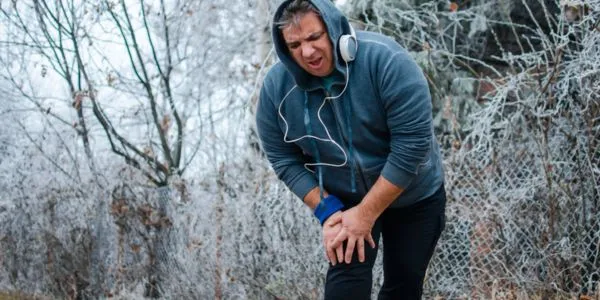
As winter nears and the air grows chillier, many people begin to experience familiar problems like knee pain and stiffness. This seasonal discomfort is common worldwide, especially when temperatures drop. If colder days make your knees ache more than usual, you’re not alone. Understanding the connection between cold weather and knee pain can help you prepare for the season, manage discomfort effectively, and seek timely advice from the Best Knee Orthopaedic Surgeon in Ghaziabad when professional care is needed.
Scientific research shows a real link between cold weather and knee pain. A detailed review of studies highlights a clear connection between weather conditions and joint discomfort in the knees. Lower temperatures trigger physical changes in the body that affect these joints.
Cold weather brings knee pain through several processes happening at once. Falling barometric pressure in colder weather makes tissues expand, which increases joint pain in people with arthritis. On top of that cold temperatures make the synovial fluid in joints thicker. This reduces lubrication making joints stiff and more painful.
Lots of people say their knee pain gets worse when it gets cold, which shows there’s a real link between cold weather and joint pain. Cold air lowers the temperature of the knees and also affects nearby muscles and nerves. This causes weaker muscles and less flexibility. All these things mixed together often make knee pain worse in the winter.
Figuring out the signs of knee pain that comes with cold weather can help you know when to get expert advice. Some signs to watch for include:
Morning stiffness that hangs around longer than usual when you wake up in a chilly room. You might feel your knees are stiff and hard to move making it tough to take your first steps. Another common clue is an aching or throbbing pain that gets stronger when the weather is cold and damp.
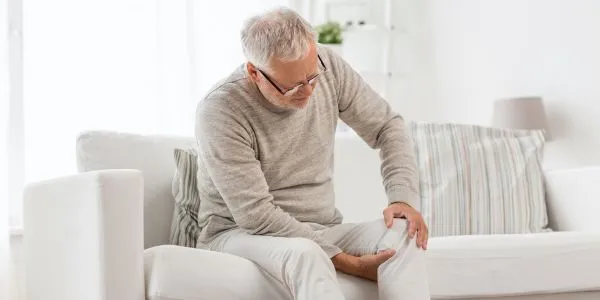
You might notice a reduced range of movement when climbing stairs or getting up from a chair. Your joints may feel stiff or even produce grinding sounds during movement. Some people also experience swelling around the knees, which can worsen with changing weather conditions common signs many patients wonder about when learning what to expect after knee replacement.
A common question is, “why does my knee hurt when it’s cold?” Many ask this when dealing with joint pain tied to weather. The answer comes from how your body reacts to shifts in temperature and changes in air pressure.
The way cold weather affects knee pain is both interesting and complicated. When you’re in the cold, your body works to keep your core warm by sending less blood to your arms and legs, including your knees. With reduced blood flow, your joints get less oxygen and nutrients, which can make them stiff and achy.
Changes in barometric pressure also have an impact on joint pain. When atmospheric pressure drops before cold weather moves in, the tissues around your joints can swell a bit. If you have arthritis or an old knee injury, this swelling can increase pressure on those sensitive areas causing pain.
The fluid in your knee joints called synovial fluid, gets thicker when it’s cold, kind of like how motor oil thickens in winter. When the fluid thickens, it doesn’t flow well so your joints don’t move and can feel stiff or sore. On top of that, cold weather might make the muscles and tendons around your knees tighten up, which can make moving even tougher and more painful.
To ease knee pain during colder months, you need to try a mix of lifestyle changes, simple remedies at home, and seeking medical help if required. The CDC says regular exercise can cut arthritis-related pain almost in half. Aim for about 150 minutes of moderate activity each week to help manage the discomfort.
Staying warm helps ease symptoms. Wear layers of clothing and think about using knee warmers or compression sleeves when stepping outside. Keep your indoor space at a cozy temperature. Taking warm baths or showers may loosen up stiffness .
Eating the right foods supports joint health. Omega-3-rich options like fish and walnuts can fight inflammation, while fruits and vegetables loaded with antioxidants also help reduce it. Drinking enough water keeps synovial fluid healthy and consistent.
Using heat can work well for knee pain in cold weather. Warm up stiff joints with heating pads or warm compresses for 15 to 20 minutes. Some people get relief from treatments like heated gel packs or paraffin wax. Gentle massages can boost blood flow and ease stiffness.
Light exercises such as swimming, yoga, and using a stationary bike help keep joints flexible without putting too much pressure on your knees. When the weather is bad and outdoor workouts aren’t an option, these indoor activities are even more useful.
If home treatments and changes in your daily habits don’t reduce your knee pain, you should seek advice from healthcare specialists. Dr. Prof. Anil K. Jain is known as the top knee orthopaedic expert in Ghaziabad. He provides modern treatments to those dealing with constant knee pain and stiffness.
As a leading Knee Pain Surgeon in Ghaziabad, his comprehensive surgical and non-surgical treatment options are offered to address a wide range of knee conditions. Expertise includes joint replacement surgeries, fracture care, sports injury management, and minimally invasive techniques aimed at faster recovery and long-term relief. AVee Hospital is recognized as one of the trusted centers in the NCR for advanced orthopedic care and effective knee pain treatments.
To find the Best Knee Pain Treatment Doctors in Ghaziabad, people need to focus on the doctor’s experience, skills, and track record of successful treatments. Dr. Prof. Anil K. Jain covers all aspects of knee care ranging from basic treatments to advanced surgeries. These include robotic-assisted techniques that improve precision and outcomes.
| Treatment Type | Success Rate | Recovery Time | Patient Satisfaction |
| Physical Therapy | 85% | 6-12 weeks | 92% |
| Medication Management | 78% | 2-4 weeks | 88% |
| Minimally Invasive Surgery | 94% | 4-8 weeks | 96% |
| Joint Replacement | 96% | 12-16 weeks | 98% |
| Heat Therapy | 72% | Immediate-2 weeks | 85% |
| Exercise Programs | 89% | 8-16 weeks | 91% |
Mrs. Uma Sharma, who is 58 years old and lives in Vaishali, dealt with intense knee pain every winter for more than five years. “When winter came, the cold would make my knees so stiff that walking in the mornings became almost impossible,” she shares. “I tried many home remedies, but nothing worked for long.”
She visited AVee Hospital, where a detailed check-up was done that included X-rays and MRI scans. The tests showed she had moderate osteoarthritis, made worse by sensitivity to cold weather. A customized treatment plan was created for her, including medications, physical therapy, and changes in her daily routine.
“Dr. Anil Jain told me why my knees ache more when it’s cold and shared ways to ease the pain,” Mrs. Uma says. “After six weeks of sticking to his plan, I could feel a big difference. Last winter was the first time in years I didn’t fear the cold.”
The treatment plan used by Dr. Anil Jain involved anti-inflammatory medications, prescribed exercises, heat therapy, and suggestions for improving her diet. Mrs. Uma also got tips on how to warm up and advice on wearing the right winter clothes to protect her knees.
“The change has been amazing,” she adds. “Now I can play with my grandchildren in the winter without worrying about knee pain. Dr. Anil Jain and the staff at AVee Hospital have made my life better.”
A: Cold weather has an impact on knee joints due to several factors. Blood flow reduces synovial fluid gets thicker, and barometric pressure changes cause tissues around joints to expand making them more sensitive.
A: You should reach out to a doctor if the pain sticks around longer than a few days, interrupts your daily tasks, or you notice swelling, redness, or warmth around the area.
A: It can. Doing regular low-impact workouts can lower arthritis pain by as much as 40%. You might try swimming, yoga, or indoor cycling to stay active during colder months.
A: Keeping yourself warm staying active with regular exercise eating foods that fight inflammation, and doing light stretches to keep your joints flexible can help avoid or manage the pain.
A: AVee Hospital provides top-notch orthopedic care. It uses modern equipment and has skilled experts, including Dr. Prof. Anil K. Jain. They offer both surgical and non-surgical treatments in one place.
Chilly weather doesn’t have to dictate how you feel during winter. Understanding why knee pain occurs, recognizing early symptoms, and using the right relief strategies can help you stay comfortable and mobile. If home remedies don’t provide enough relief, seeking care from experienced specialists at the best hospital in Vaishali Ghaziabad can ensure access to advanced diagnosis and effective treatment options for long-term knee health.
Don’t spend another winter dealing with pain. Reach out to AVee Hospital today to book a consultation and start your journey to enjoying a pain-free winter soon.