Is Your Period Delayed?
- Home
- Is Your Period Delayed?
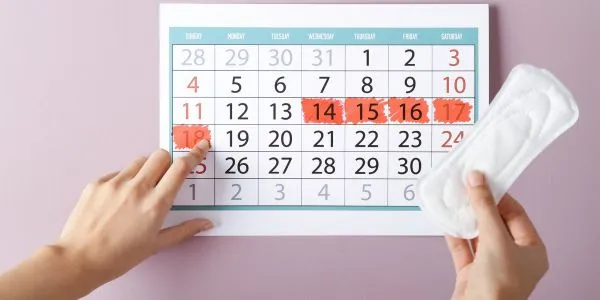
It happens to almost every woman at some point: you check the calendar, do the maths again, and realise your period simply has not arrived on schedule. If your period delayed situation is causing stress, you are not alone, and in most cases, there are gentle, natural ways to help bring things back on track before assuming the worst. In this guide, Dr. Shubhra Jaiswal at Avee Hospital walks through seven natural methods that may help regulate a delayed cycle, along with the underlying reasons periods sometimes run late in the first place.
Before trying any natural remedy, it helps to understand what might be causing the delay. Common reasons include stress, sudden weight changes, excessive exercise, travel, hormonal imbalances such as PCOS, thyroid issues, and simply a naturally irregular cycle for some women. Pregnancy is always worth ruling out first if there is any possibility, through a simple home test, before exploring other causes.
Understanding the root cause matters because natural methods work best for mild, stress or lifestyle-related delays, rather than delays caused by underlying medical conditions, which require proper diagnosis and treatment.
Chronic stress affects the hypothalamus, the part of the brain that regulates the hormones controlling your menstrual cycle. High stress levels can delay ovulation and, in turn, delay your period. Gentle yoga, meditation, deep breathing exercises, and even simply prioritising adequate sleep can help bring cortisol levels down and support a more regular cycle over time.
Interestingly, many of the same lifestyle principles used for how to delay your period naturally, such as adjusting activity levels and diet slightly, also apply in reverse when trying to encourage a delayed period to begin. The body responds to consistent, moderate signals rather than sudden extreme changes, which is why gradual lifestyle adjustments tend to work better than drastic ones in either direction.
Moderate physical activity, such as brisk walking or light stretching, can improve blood circulation to the pelvic region and support hormonal balance. However, excessive or intense exercise can have the opposite effect, sometimes contributing to delayed or missed periods altogether, particularly in athletes or those undertaking sudden intense fitness regimens.
Traditional wisdom often points to certain foods to delay periods, such as those high in vinegar or lentils, believed to influence hormone levels slightly. On the other hand, foods believed to gently encourage a delayed cycle to start include papaya, ginger, and sesame seeds, which are thought to generate mild warmth in the body and stimulate uterine contractions. While scientific evidence on these specific foods remains limited, they are generally safe to include as part of a balanced diet.
When exploring what to do when periods are late home remedies suggest, a warm compress on the lower abdomen is one of the simplest options. Heat can help relax the uterine muscles and improve blood flow, which some women find helpful in easing a delayed cycle along, alongside general relaxation techniques.
Both being significantly underweight and being overweight can disrupt the hormonal balance responsible for regular ovulation. Sudden weight loss or gain, even over a short period, is a well-documented cause of delayed or irregular periods. Maintaining a stable, healthy weight through balanced nutrition, including adequate folic acid intake, supports overall reproductive health, not just for those planning pregnancy but for regular cycle maintenance as well.
Some women specifically search for how to delay periods naturally for 2 days ahead of an important event, using methods like gelatin dissolved in warm water or specific herbal teas believed to have a short-term delaying effect. While anecdotal reports exist, these methods are not guaranteed and should be approached with realistic expectations, as hormonal cycles do not always respond predictably to short-term dietary tweaks.
The table below summarises the seven natural approaches discussed, along with a general sense of how they are believed to work.
| Natural Method | How It May Help | Best Suited For |
| Stress management | Balances hormones affecting ovulation | Stress-related delays |
| Moderate exercise | Improves circulation and hormonal balance | Sedentary lifestyles |
| Ginger and papaya | Traditionally believed to stimulate periods | Mild, occasional delays |
| Warm compress | Relaxes uterine muscles, eases discomfort | General cycle support |
| Stable healthy weight | Supports consistent hormonal regulation | Weight-related irregularity |
| Adequate sleep | Regulates cortisol and reproductive hormones | Lifestyle-related delays |
| Hydration and balanced diet | Supports overall hormonal health | Everyday cycle maintenance |
Beyond the seven methods above, a few consistent daily habits go a long way in preventing frequent cycle disruptions. Limiting excessive caffeine and alcohol intake, avoiding crash diets, and getting exposure to natural sunlight each day can all support the hormonal balance your body relies on for regular ovulation. Many women also find that keeping a consistent sleep schedule, going to bed and waking up at similar times each day, has a noticeably positive effect on cycle regularity over a few months.
Many women believe that a delayed period always signals a serious health problem, but occasional variation of a few days is completely normal, even for women with generally regular cycles. Another common myth is that natural remedies work instantly; in reality, most lifestyle-based approaches take a few cycles to show a noticeable effect, since hormonal systems adjust gradually rather than overnight. It is also a myth that stress only affects mental health, when in fact it has a direct, measurable impact on reproductive hormone levels.
While occasional delays are usually harmless, a period delayed by more than a week on a regular basis, especially alongside symptoms like severe pain, unusual bleeding, or sudden weight changes, deserves a proper medical evaluation. Dr. Shubhra Jaiswal advises women experiencing recurring irregularities to seek a consultation rather than relying solely on home remedies, since underlying conditions such as PCOS or thyroid imbalance require targeted treatment.
Beyond addressing an isolated delayed period, building consistent habits around sleep, stress management, balanced nutrition, and moderate exercise supports long-term menstrual regularity. Tracking your cycle over a few months using a simple period tracking app can also help identify patterns and flag when a delay is truly unusual for your body.
No, while pregnancy is one possible cause and should be ruled out, stress, weight changes, and hormonal imbalances are also common reasons for a delayed period.
Try gentle lifestyle adjustments such as stress reduction, moderate exercise, and a warm compress, and monitor for a few more days. If the delay continues beyond a week, consult a gynaecologist.
Most evidence is traditional and anecdotal rather than clinically proven, though these foods are generally safe to consume as part of a balanced diet.
Some women use dietary adjustments or herbal remedies a few days in advance, though results vary and medical options are more reliable if precise timing is essential.
If your period is delayed by more than a week repeatedly, or accompanied by severe pain or other symptoms, it is best to schedule a consultation for proper evaluation.
A period delayed by a few days is usually nothing to worry about, and gentle natural methods can often help nudge your cycle back on track. However, persistent or unusual delays deserve professional attention rather than guesswork. Dr. Shubhra Jaiswal and the team at Avee Hospital are available to help you understand your cycle better; you can find the hospital’s location and book a visit here.
(DISCLAIMER:- This blog provides general health information and is not a substitute for professional medical advice. Consult your doctor for personal concerns or emergencies.)

Content Medically Approved by
AVee Hospital is a leading hospital in Ghaziabad dedicated to delivering comprehensive, compassionate, and affordable healthcare using the latest medical technology and evidence-based practices.
Book Appointment