Sciatica Treatments
- Home
- Sciatica Treatments

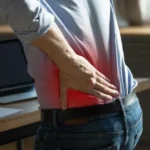
It often starts quietly. A dull ache in the lower back after a long drive, or a twinge while bending to lift a bucket. Then, one morning, a sharp, electric pain shoots from your buttock down the back of your thigh, sometimes all the way to your foot. Sitting becomes uncomfortable, standing up feels like a task, and a good night’s sleep starts to feel like a luxury.
If this sounds familiar, you may be dealing with sciatica pain, one of the most common reasons people visit an orthopaedic or spine clinic. The good news is that most people recover well with the right care, and many never need surgery at all.
Our spine care team at Avee Hospital, Vaishali, Ghaziabad, explains what Sciatica Treatments are, how to recognise it, what causes it, and which sciatica treatments genuinely help you relieve pain and get moving again. We also cover warning signs that need urgent attention, so you know exactly when home care is enough and when it is time to see a specialist.
The sciatic nerve is the longest and thickest nerve in the human body. It forms from nerve roots in the lower spine (L4 to S3), passes through the buttock, and runs down the back of each leg to the foot. It controls many leg muscles and carries sensation from large parts of the leg and foot.
Sciatica is common, especially between the ages of 30 and 60. People who sit for long hours, lift heavy loads, drive long distances, or have diabetes are at higher risk. In most cases, it affects only one side of the body.
Sciatica symptoms vary from person to person. Some feel a mild tingling, while others describe a burning or stabbing pain that makes walking difficult. The most common signs include:
Many patients say the leg pain is worse than the back pain itself. That pattern is a strong clue that a nerve root is involved, rather than just a muscle strain.
Seek immediate medical help if sciatica comes with any of the following:
These can signal cauda equina syndrome, infection or another serious condition that needs urgent evaluation.
Understanding the sciatica pain causes is the first step towards choosing the right treatment. Anything that narrows the space around a nerve root or inflames it can trigger symptoms. The most frequent culprits are:
Not every backache is sciatica. Many patients first come to us with Lower Right Back Pain and assume a nerve is involved. Sometimes it is, but often the source is a strained muscle, a stiff joint, or even an organ such as the kidney or appendix.
A simple way to tell them apart: muscular back pain usually stays in the back and feels sore or stiff, while sciatica sends pain, tingling or numbness down the leg. Pain on one side that comes with fever, burning urination or abdominal tenderness needs a different line of investigation altogether.
| Feature | Sciatica | Muscular back strain | Organ-related lower right back pain |
|---|---|---|---|
| Main pain location | Buttock and back of leg, often below the knee | Lower back muscles | Flank or side, may spread to abdomen or groin |
| Type of pain | Shooting, burning, electric | Dull ache, stiffness, spasm | Deep, cramping or constant |
| Numbness or tingling | Common | Rare | Rare |
| Worse with | Sitting, coughing, bending forward | Movement, twisting | Not linked to movement |
| Other clues | Leg weakness | Recent strain or lifting | Fever, urinary symptoms, nausea |
| Usual first step | Spine assessment | Rest, heat, gentle activity | Physician check-up, urine and blood tests |
If you are unsure which category your pain falls into, a clinical examination is the quickest way to find out.
A correct diagnosis shapes every treatment decision that follows. At a spine consultation, your doctor will typically:
It is worth knowing that many people have disc bulges on MRI without any pain at all. That is why an experienced specialist matches the scan with your symptoms and examination, rather than treating the image alone.
Modern sciatica treatments follow a step-by-step approach. Most patients start with conservative care and improve within a few weeks. Only a small proportion need injections or surgery. Here is how each option fits in.
Long bed rest is no longer advised. Staying gently active, with short walks and avoiding heavy lifting or prolonged sitting, helps the nerve settle faster and prevents stiffness.
Your doctor may prescribe anti-inflammatory painkillers, muscle relaxants for spasm, or nerve-specific medicines for burning and tingling. A short course of oral steroids is sometimes used for severe flare-ups. Always take these under medical supervision, as each has side effects and is not suitable for everyone.
Physiotherapy is one of the most effective long-term sciatica treatments. A structured programme may include:
Ice packs in the first 48 to 72 hours can calm inflammation, while heat later relaxes tight muscles. Some patients also benefit from therapeutic ultrasound, TENS or traction as part of a supervised plan.
When pain is severe or not improving after several weeks, an image-guided injection places anti-inflammatory medicine close to the irritated nerve root. It can bring meaningful relief and allow you to take part in physiotherapy more comfortably.
Surgery is considered when there is progressive weakness, loss of bladder or bowel control, or disabling pain that has not responded to six to twelve weeks of good conservative care. At our spine surgery department in Ghaziabad, common procedures include:
| Treatment | Best suited for | Typical approach | Expected outcome |
|---|---|---|---|
| Activity modification | Most new cases | Stay active, avoid aggravating postures | Supports natural recovery |
| Medicines | Mild to moderate pain | Short courses under a doctor’s guidance | Eases pain and inflammation |
| Physiotherapy | Nearly all patients | Usually 2–3 sessions a week for several weeks | Better mobility, fewer recurrences |
| Hot and cold therapy | Acute flare-ups | At home, several times a day | Short-term comfort |
| Epidural steroid injection | Severe or persistent nerve pain | Image-guided, day-care procedure | Relief that can last weeks to months |
| Microdiscectomy | Disc herniation not improving or causing weakness | Minimally invasive surgery | Often rapid relief of leg pain |
| Laminectomy / fusion | Stenosis or spinal instability | Open or minimally invasive surgery | Long-term nerve decompression |
The right plan depends on the cause, the severity of your symptoms, your age and your overall health, which is why a personalised assessment matters so much.
What you do between appointments matters as much as the treatment itself. These simple habits support recovery and lower the chance of another episode:
If a particular stretch or position increases leg pain, stop and check with your physiotherapist. Pain that moves further down the leg is usually a sign to ease off, not push through.
Mild sciatica often eases on its own within a few weeks. But you should consult a spine specialist if:
If you live in Ghaziabad, Vaishali, Indirapuram or nearby NCR areas and are looking for a trusted sciatica doctor near me, Avee Hospital offers complete spine care under one roof, from diagnosis and physiotherapy to advanced minimally invasive surgery.
Our spine care team is led by Dr. (Prof.) Anil K Jain, HOD of the Orthopaedics Department and Medical Director at Avee Hospital. He brings more than 44 years of experience in orthopaedic and spine surgery, with qualifications including M.S. (Orthopaedics), FIOA, FAMS and FRCS (Trauma and Orthopaedic Surgery) from the Royal College of Surgeons of England.
Dr. Jain’s approach is simple and patient-first: find the real cause, try the least invasive effective option, and recommend surgery only when it is genuinely needed. When an operation is the right choice, patients benefit from modern techniques such as microdiscectomy and minimally invasive decompression, which aim for smaller incisions and a quicker return to daily life.
Most episodes of acute sciatica improve within four to six weeks with conservative care. Pain lasting beyond two to three months is considered chronic and needs a detailed spine evaluation.
A combination of staying active, prescribed medicines, structured physiotherapy and, when needed, an epidural steroid injection works well for the majority of patients.
Yes, many mild cases settle naturally as the inflammation around the nerve reduces. However, worsening weakness or numbness should never be ignored.
Gentle, regular walking is usually helpful because it improves blood flow and reduces stiffness. Start with short distances and increase slowly as comfort allows.
5. Which sleeping position is best for sciatica?
Sleeping on your side with a pillow between your knees, or on your back with a pillow under your knees, reduces pressure on the lower spine.
6. Can lower right back pain be sciatica?
It can be, if the pain spreads into the right buttock and leg with tingling or numbness. Pain that stays in the back or comes with fever or urinary symptoms may have another cause.
Surgery is considered for loss of bladder or bowel control, progressive leg weakness, or severe pain that does not improve after six to twelve weeks of proper non-surgical treatment.
An orthopaedic spine specialist is the right first point of contact. At Avee Hospital, Dr. (Prof.) Anil K Jain and his team assess and treat sciatica from the first consultation through to recovery.
Sciatica can be exhausting, but it is also one of the most treatable spine conditions. Recognising the symptoms early, understanding what is pressing on the nerve, and following a structured plan make a real difference to how quickly you recover. For most people, the right mix of activity, medicines and physiotherapy is enough; for others, modern minimally invasive surgery offers lasting relief.
The most effective sciatica treatments are always the ones matched to your specific cause. If leg pain, numbness or weakness is holding you back, do not wait for it to get worse. Book a consultation with Dr. (Prof.) Anil K Jain at Avee Hospital, Vaishali, Ghaziabad, and get a clear diagnosis and a personalised plan to help you move freely again.