Homeopathy Hair Treatment
- Home
- Homeopathy Hair Treatment
Vaishali,Ghaziabad’s Trusted Multispecialty Hospital | +91 8121212835
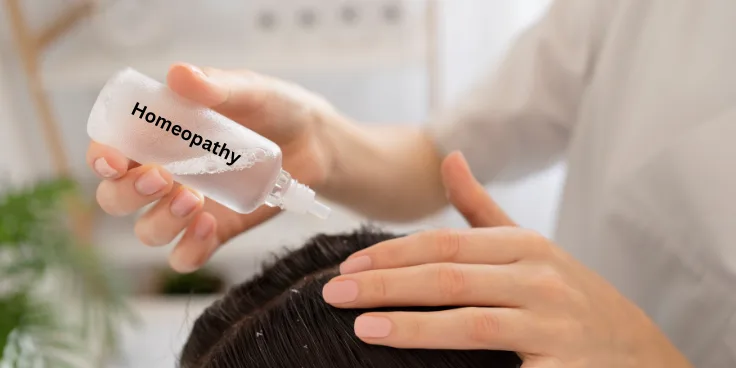
Table of Contents
ToggleLosing more hair than usual can be worrying — whether it shows up as thinning at the crown, a receding hairline, or extra strands on your pillow every morning. As more people look for gentler alternatives to harsh chemical solutions, homeopathy hair treatment has become one of the most searched options for managing hair fall and encouraging regrowth. But how does it actually work, is it backed by evidence, and is it safe for everyone? This guide walks through the options, real benefits, safety considerations, and expert advice — including insights from Dr. Gunjan Rai at Avee Hospital — so you can make an informed decision about your hair health.
Before jumping into any treatment, it helps to understand why hair fall happens in the first place. It’s rarely just one factor — usually a mix of internal and external triggers working together:
Because the causes vary so widely from person to person, treatments that look at the whole picture rather than just the scalp tend to deliver more consistent results — which is exactly where homeopathy hair treatment comes in.
Homeopathy is a 200-year-old system of medicine based on the principle of “like cures like,” using highly diluted natural substances to stimulate the body’s own healing response. Unlike solutions that only target the scalp surface, homeopathy hair treatment looks at a person’s overall health, hormonal balance, stress levels, and constitution to understand why hair fall is happening in the first place.
This is what sets it apart from generic, over-the-counter solutions. A qualified homeopath doesn’t hand out the same homeopathic medicine for hair fall to every patient — the remedy is selected based on the pattern of hair loss, accompanying symptoms such as dandruff or a greasy scalp, and the person’s general health profile. That’s why two people with a similar amount of hair fall may walk away with two entirely different prescriptions.
It’s important to be upfront here: large-scale, gold-standard clinical trials specifically studying homeopathy for hair loss are still limited compared with conventional dermatology research. That said, a growing body of observational studies, clinical case series, and decades of documented practice suggest that constitutional treatment can help reduce hair fall and support regrowth in many patients — particularly when the underlying trigger, such as a thyroid imbalance, nutritional deficiency, or chronic stress, is addressed alongside it.
Homeopathic remedies are generally well tolerated and carry a low risk of side effects when prescribed correctly by a qualified practitioner. They can often be used alongside dietary changes, and in many cases, alongside dermatological care too. Results still vary from person to person, so consulting a registered homeopathic doctor for a detailed case history is far more reliable than following generic advice found online.
Below is a quick-reference table of homeopathic medicine for hair loss that is frequently discussed in clinical practice. This is shared purely for informational purposes — the right remedy, potency, and dosage should always be determined by a qualified homeopathic doctor after a proper case study.
| Homeopathic Medicine | Commonly Used For | Typical Presentation |
| Arnica Montana | Hair fall after shock, injury, or childbirth | Sudden, patchy thinning |
| Phosphorus | Hair fall with dandruff and scalp sensitivity | Hair falls in clumps while combing |
| Natrum Muriaticum | Hair fall linked to grief, stress, or hormones | Greasy scalp, receding hairline |
| Silicea | Weak, brittle hair with slow growth | Dull hair that breaks easily |
| Lycopodium | Premature thinning and early greying | Loss from temples and crown |
| Sepia | Hair fall tied to hormonal imbalance in women | Post-pregnancy or menopausal hair loss |
| Thuja Occidentalis | Hair fall with an oily, flaky scalp | Dry, brittle hair with dandruff |
Together, these advantages are why homeopathy hair treatment continues to appeal to people looking for a more holistic route to healthier hair.
Generally speaking, homeopathy hair treatment is considered safe when prescribed and monitored by a qualified homeopathic doctor. Because remedies are highly diluted, they are non-habit forming and carry a low risk of interaction with other medications. That said, “safe” doesn’t mean “risk-free if used carelessly.” A few precautions worth keeping in mind:
One of the most common questions patients ask is how long hair regrowth homeopathic medicine for hair loss takes to show results. Most people begin noticing reduced hair fall within 6 to 12 weeks of consistent treatment, though visible regrowth can take several months, depending on the underlying cause, the person’s age, and how consistently the treatment plan is followed.
Patience and consistency matter more in homeopathy than in most other treatment approaches, since constitutional remedies work gradually by correcting internal imbalances rather than forcing an immediate cosmetic change. Patients dealing with genetic hair loss (androgenetic alopecia) may see the progression slow down and scalp health improve, even if a complete reversal isn’t always realistic — a homeopathic doctor can set expectations clearly after reviewing your specific case.
Dr. Gunjan Rai, a BHMS and MD (Homeopathy) practitioner with over 13 years of clinical experience at Avee Hospital, Vaishali, Ghaziabad, often points out that homeopathy hair treatment works best when it’s part of a bigger health plan rather than an isolated fix. Her frequently shared advice for patients includes:
At Avee Hospital, this approach combines classical homeopathic principles with modern diagnostic support, helping patients understand why their hair fall is happening rather than simply prescribing something to mask the symptom.
Alongside any homeopathic medicine for hair fall your doctor prescribes, small daily habits can meaningfully support hair health:
None of these habits replace professional treatment, but they create the right internal environment for any remedy — homeopathic or otherwise — to work more effectively.
The success of any homeopathy hair treatment depends heavily on the expertise of the practitioner guiding it. Here’s what to look for:
Yes, when prescribed by a qualified homeopathic doctor, these remedies are generally considered safe for extended use since they’re highly diluted and non-habit forming. Self-medication or prolonged use without supervision isn’t advisable.
Instead of only targeting the scalp, homeopathic medicine for hair loss looks at your overall health, hormones, and lifestyle to identify the underlying cause, and prescribes a remedy tailored to your individual case rather than a generic solution.
It can help slow down progression and improve scalp health in genetic hair loss cases, but it may not fully reverse hereditary patterns. A homeopathic doctor can set realistic expectations after evaluating your specific case.
Not necessarily. Many patients combine homeopathy with dermatological advice. It’s best to inform your doctor about any other treatments so remedies can be planned without interference.
Most patients notice reduced hair fall within 6 to 12 weeks, though full regrowth can take several months depending on the cause and how consistently the treatment is followed.
Look for verified credentials, experience with hair-specific cases, and a hospital known for individualised care, such as Avee Hospital in Vaishali, Ghaziabad.
Hair fall can feel discouraging, but in most cases it’s manageable once the real underlying cause is understood. Homeopathy hair treatment offers a gentle, individualised approach that looks beyond the scalp to the body as a whole, and when guided by an experienced practitioner, it can be a valuable part of a long-term hair care plan. If you’re exploring your options, consulting an experienced doctor such as Dr. Gunjan Rai at Avee Hospital can be a good starting point to understand what’s really driving your hair fall — and what a realistic, personalised treatment path looks like for you.