Hidden Cancer Care Symptoms
- Home
- Hidden Cancer Care Symptoms
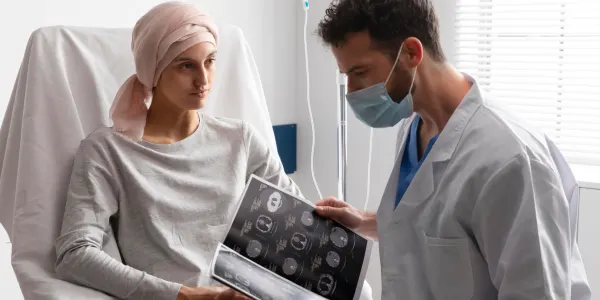
Cancer is one of the most serious health conditions worldwide—but here’s what many people don’t realize: with the right cancer care, early detection, and timely treatment, survival rates can improve significantly.
Today, people are searching online for real, trustworthy, and expert-backed health information. This guide is written to help you understand Cancer Care Symptoms in a clear, practical, and medically responsible way—so you can make informed decisions for yourself and your loved ones.
Cancer care is a comprehensive approach that includes prevention, early diagnosis, treatment, and post-treatment recovery.
From a medical perspective, effective Cancer Care Symptoms focuses on:
Modern healthcare follows a patient-centered approach, ensuring personalized care based on medical history, lifestyle, and disease type.
According to global health experts, early symptoms of cancer are often mild and easily overlooked. Recognizing them early can be life-saving.
Early detection is one of the most important pillars of Cancer Care Symptoms. Clinical studies consistently show that cancers diagnosed at an early stage are easier to treat and have higher survival rates.
Regular screening and timely diagnosis are key to improving long-term health outcomes.
Cancer is not a single disease—it includes multiple types depending on where it starts in the body.
Each type requires a specific diagnostic and treatment approach, making expert consultation essential.
Doctors use advanced diagnostic tools to confirm cancer and determine its stage.
Cancer treatment depends on multiple factors such as type, stage, and patient health condition.
Removes cancerous tissues from the body.
Uses drugs to destroy cancer cells or stop their growth.
Targets cancer cells using high-energy radiation.
Enhances the immune system to fight cancer.
Focuses on specific cancer cells with minimal damage to healthy cells.
Scientific research shows that lifestyle plays a major role in cancer development and prevention.
Adopting healthy habits significantly reduces cancer risk.
| Symptom | Possible Cause | Recommended Action |
| Mild fatigue | Lifestyle-related | Monitor and improve habits |
| Persistent lump | Possible tumor | Clinical examination |
| Sudden weight loss | Underlying disease | Immediate diagnosis |
| Bleeding | Internal issue | Urgent medical care |
| Chronic cough | Lung-related concern | Screening advised |
Cancer affects not just the body, but also mental and emotional well-being.
The cost varies based on hospital, city, and stage of cancer.
| Treatment Type | Cost (INR) |
| Consultation | ₹500 – ₹2,000 |
| Chemotherapy | ₹10,000 – ₹50,000/session |
| Radiation Therapy | ₹50,000 – ₹2 Lakhs |
| Surgery | ₹1 – ₹5 Lakhs |
| Full Treatment | ₹2 – ₹20 Lakhs |
Early-stage treatment is generally more affordable and effective.
Prevention is a key part of Cancer Care Symptoms and is strongly supported by medical research.
Small preventive steps can make a significant long-term impact.
Screening helps detect cancer even before symptoms appear.
Certain individuals have a higher probability of developing cancer.
Preventive care and regular monitoring are essential for these groups.
Yes, many cancers are curable if detected at an early stage and treated properly.
No, some tumors are benign, but medical evaluation is necessary.
Tobacco use remains the leading preventable cause.
Yes, which is why regular screening is important.
While not entirely preventable, the risk can be significantly reduced.
Cancer Care Symptoms is not just about treatment—it’s about awareness, early action, and informed decision-making. Ignoring symptoms or delaying diagnosis can increase risks, while timely care can save lives.
If you are looking for reliable, advanced, and patient-focused Cancer Care Symptoms, Avee Hospital offers comprehensive support—from early diagnosis to advanced treatment and recovery care.
With experienced medical professionals, modern diagnostic facilities, and a patient-first approach, Avee Hospital ensures you receive trusted and compassionate care at every stage.
Book your consultation today at Avee Hospital and take a proactive step toward better health. Early care can save lives.