Cold Weather & Knee Stiffness: Causes, Symptoms, and Relief Tips
- Home
- Cold Weather & Knee Stiffness: Causes, Symptoms, and Relief Tips
Vaishali,Ghaziabad’s Trusted Multispecialty Hospital | +91 8121212835
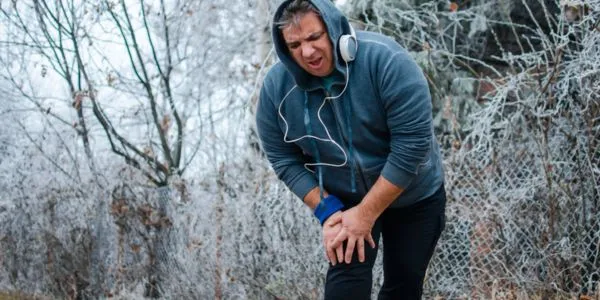
Table of Contents
ToggleAs soon as the temperature starts dropping, a familiar complaint returns for many people: aching, stiff, uncooperative knees. If you have ever wondered why your joints seem to protest the moment winter arrives, you are certainly not alone. Cold weather and knee stiffness are closely linked, and understanding why this happens can help you manage the discomfort far more effectively. In this guide, Dr. Anil K Jain and the orthopaedic team at Avee Hospital explain the science behind cold-related joint pain and share practical relief tips to keep you moving comfortably through the winter months.
The link between temperature and joint comfort is not just anecdotal; it has a genuine physiological basis. Cold weather causes blood vessels to constrict, reducing blood flow to the extremities, including the joints. Synovial fluid, which lubricates the knee joint, also tends to thicken slightly in colder temperatures, making movement feel stiffer, particularly first thing in the morning or after sitting still for a while.
Additionally, changes in barometric pressure that accompany cold fronts can cause tissues around the joint to expand slightly, which some patients with pre-existing arthritis or old injuries report feeling as increased pressure or aching.
Many people ask, why are my knees cold to the touch even indoors during winter. This is often simply due to reduced circulation to the skin’s surface as the body prioritises blood flow to core organs in colder conditions. In most cases, cold knees are not a cause for concern on their own, especially if there is no accompanying pain, swelling, or discolouration.
However, if you frequently ask yourself why are my knees always cold, even during warmer months or alongside numbness and tingling, it may be worth having your circulation checked, as this can occasionally indicate an underlying vascular or nerve-related issue rather than a simple weather response.
While anyone can notice some degree of cold-related stiffness, certain groups are more susceptible:
It helps to distinguish ordinary cold weather stiffness from symptoms that may indicate something more significant. Typical winter-related stiffness tends to improve with gentle movement and warmth, while more concerning symptoms include persistent swelling, sharp or worsening pain, visible joint deformity, or stiffness that does not ease even after warming up and light activity. These warning signs warrant a proper orthopaedic evaluation rather than assuming the cold is entirely to blame.
The encouraging news is that several simple strategies can meaningfully ease cold-related knee discomfort:
It may feel counterintuitive to exercise when your knees already feel stiff, but gentle, consistent movement is one of the most effective ways to manage cold weather and knee stiffness. Activities such as walking, swimming in a heated pool, or guided stretching help maintain synovial fluid circulation and prevent the muscles around the joint from tightening further. The key is consistency and moderation rather than sudden intense activity, particularly for those with pre-existing joint conditions.
The table below summarises practical relief strategies alongside the specific benefit each one offers for cold-related knee discomfort.
| Relief Strategy | Primary Benefit | Best Time to Use |
| Warm compress | Eases stiffness, improves local circulation | Morning or after activity |
| Gentle stretching | Maintains joint mobility and flexibility | Daily, especially mornings |
| Knee sleeves or wraps | Provides warmth and joint support | During outdoor activity |
| Staying hydrated | Supports joint lubrication | Throughout the day |
| Low-impact exercise | Maintains circulation and muscle strength | Regularly, 3 to 5 times a week |
Alongside physical measures, certain dietary choices can support joint comfort during colder months. Foods rich in omega-3 fatty acids, such as fish and walnuts, have anti-inflammatory properties that may help ease joint discomfort. Maintaining a healthy body weight also reduces the mechanical load on the knees, which becomes especially relevant when stiffness already limits movement during winter.
A widespread belief is that cold weather itself directly damages the joints, but this is not accurate. Cold conditions do not cause structural harm to healthy knees; they simply amplify existing sensitivity or mild inflammation that may already be present. Another common misconception is that stiffness in winter always signals worsening arthritis, when in many cases it is simply a temporary physiological response to temperature and reduced activity levels that resolves once movement resumes and the joint warms up.
It is also worth noting that indoor heating, while helpful for overall comfort, does not always fully resolve joint stiffness, since localised circulation to the knee depends on movement and direct warmth rather than ambient room temperature alone.
Establishing a short, consistent routine can make a noticeable difference over the course of the season. A few minutes of gentle stretching upon waking, a warm compress before stepping outdoors, and a short walk or light activity later in the day all work together to keep the knee joint comfortable and mobile despite the cold.
If your knee stiffness is accompanied by persistent swelling, sharp pain, or noticeably reduced range of motion that does not improve with home care, it is time to seek professional guidance. Dr. Anil K Jain recommends an evaluation at the Orthopaedics Department at Avee Hospital for anyone whose winter joint discomfort is affecting daily activities, since early assessment often prevents more significant joint issues from developing.
For appointments or queries, you can reach out through Avee Hospital’s contact page or find directions to the hospital here.
Prevention is always easier than treatment when it comes to seasonal joint discomfort. Starting gentle stretching routines before the coldest months set in, keeping consistent physical activity throughout the year, and addressing any early joint symptoms promptly all help reduce how significantly cold weather affects your knees each winter.
Cold temperatures reduce blood flow and thicken joint lubricating fluid, which can make knees feel stiffer and more uncomfortable, especially for those with existing joint conditions.
This is usually due to reduced circulation to the joint surface as the body redirects blood flow to core organs in cold conditions, and is generally not a cause for concern on its own.
Cold weather can worsen existing arthritis symptoms, but stiffness alone does not confirm arthritis. A proper orthopaedic evaluation is needed for an accurate diagnosis.
Applying a warm compress and doing gentle stretching are among the quickest ways to ease stiffness, though consistent long-term habits offer the most lasting relief.
Yes, gentle, low-impact exercise generally helps rather than harms stiff joints, as it maintains circulation and flexibility, though it should be approached gradually.
Cold weather and knee stiffness may feel inevitable each winter, but with the right combination of warmth, movement, and timely care, most people can manage the discomfort effectively. If your symptoms persist or worsen, the specialists at Avee Hospital’s Orthopaedics Department are ready to help you stay active and comfortable throughout the season.