Why Are Bronchitis and Chest Infections Common During Winter?
- Home
- Why Are Bronchitis and Chest Infections Common During Winter?
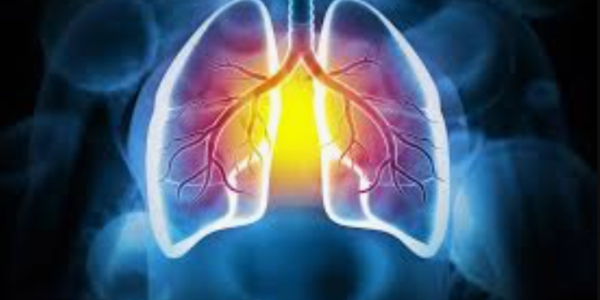
The winter season is one that which many people are looking forward to but for lung, it can be an extremely challenging season. As temperatures fall, the incidence of chest infections, bronchitis chronic cough, breathing problems increase dramatically, particularly in urban areas such as Vaishali, Ghaziabad. Hospitals see a dramatic rise in respiratory cases during this season, which ranges from mild bronchial infection to serious lung problems.
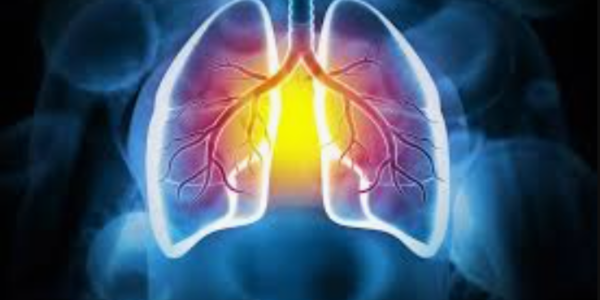
Understanding why chest infection are so prevalent in winter, who’s at risk, and what you can do to avoid them can safeguard your health and well-being. If symptoms get worse or persist, prompt consultation with The Best Lung Speciality Hospital in Ghaziabad is essential to ensure accurate diagnoses as well as treatment.
Bronchitis is a condition that occurs when the air passages in the bronchial tubes –which transport air to the lungs – become inflamed. The inflammation can cause:
Bronchitis could be caused by:
Infections of the chest can be described as:
These infections can affect the lungs or airways. They may range from moderate to life-threatening if untreated.
The cold winter air is dry and rough. When inhaled, it:
This inflammation weakens the lung’s natural defense mechanism, which makes it more likely for bacteria and viruses to grow and settle.
In the winter months:
These triggers weaken immunity which makes the body less able to combating respiratory illnesses. Patients with a low immune system have a higher risk to suffer from respiratory infections, such as severe chest infections or bronchitis.
The viruses that cause them include:
It is more prevalent in winter months. Infections with viruses are the most frequent causes of acute bronchitis particularly in the winter months.
People are more comfortable in the indoors in winter because of:
This provides the ideal setting for airborne diseases to flourish especially in the home and offices, schools, and public transport.
Air pollution in NCR peaks during winter due to:
The effects of polluted air on lung tissue and worsens respiratory problems. This is why many residents look for treatment at the top hospitals in NCR in winter.
Smoking causes damage to the lung’s lining and reduces the immune response. In winter, exposure to
This increase the risk of developing bronchitis as well as frequent chest infections. It also increases the risk of developing bronchitis and chest.
Certain groups are more susceptible to cold-related respiratory infections.
They should not ignore their symptoms, and should seek medical attention from the Best Lung Speciality Hospital in Ghaziabad for prompt intervention.
The symptoms may differ based on the severity, but typically symptoms include:
If the symptoms become more severe and breathing is difficult or strenuous, immediately seek medical assistance from a top Medical Doctor in Ghaziabad is highly recommended.
| Condition | Main Area Affected | Typical Duration | Severity |
| Common Cold | Nose and throat | 7 to 7 days | Mild |
| Acute Bronchitis | Bronchial tubes | 3 to 6 weeks | Moderate |
| Chest Infection | Lungs | Variable | Moderate to Severe |
Being aware of this distinction helps prevent delay in treatment.
The absence of winter cough or chest congestion could lead to:
Timely diagnosis using chest X-rays, pulmonary function tests, and blood investigations–available at advanced lung care centers–can prevent complications.
Treatment is contingent on the cause and severity. It could also include:
Modern equipment at Best Lung Speciality Hospital in Ghaziabad assure precise treatment plans that are that are customized to the individual needs of every patient.
Cold airways directly are affected by cold exposure. Cover your mouth and nose outside.
The flu and pneumonia vaccines lower the possibility of severe winter chest infections particularly in those at high risk.
Seek help from a specialist for advice if:
The timely care provided by a best Pulmonologist in Ghaziabad can help to prevent lung damage to the lung.
Conditions of the respiratory system are a requirement for:
People living in Vaishali and the surrounding areas frequently depend on the top hospitals in NCR for a comprehensive respiratory treatment in winter.
A crowded city, pollution and climate patterns can make respiratory illness in winter more frequent in the region. Selecting a reputable facility such as AVEE Hospital VAISHALI guarantees access to the latest diagnosis, prompt treatment and expert lung health care all in one location.
Absolutely, acute bronchitis brought on by viruses may be spread via coughing, sneezing or contact with close proximity.
Infections that are mild may heal however, severe to moderate cases require medical attention to prevent complications.
Yes. The effects of pollution on lung health are weakened and can increase the chance and severity of illnesses.
No. Most cases are caused by viral. Antibiotics are only prescribed when an infection with a bacterium is identified.
Children, elderly people smokers, as well as those suffering from COPD, asthma COPD and weak immune systems must take additional precautions.
Chest infections and bronchitis are prevalent during winter months because of cold exposure in addition to weakened immunity, pollution, and a rise in virus spread. The inability to recognize symptoms can result in serious lung issues, particularly for those at high risk.
By taking preventive measures, and seeking prompt care from the Best Hospital in Ghaziabad the residents of Vaishali and surrounding areas can ensure their respiratory health throughout winter season.
The early diagnosis, the expert lung care and lifestyle-related precautions are crucial to maintaining your lungs’ health, even in the coldest winter months.