Essential Information for Cancer Patients Before a Stem Cell Transplant
- Home
- Essential Information for Cancer Patients Before a Stem Cell Transplant
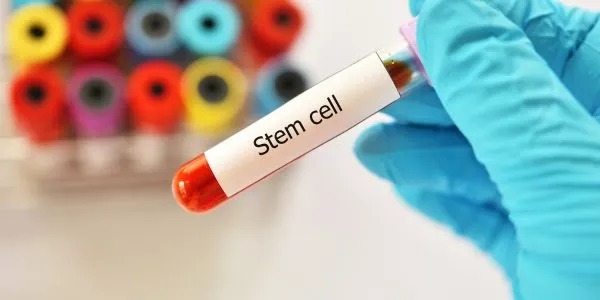
Stem cell transplant replaces damaged marrow with healthy cells that produce blood components.
Many patients ask what is a bone marrow transplant and how it differs from other stem cell collection methods. While the terms are often used interchangeably, bone marrow transplant specifically refers to when stem cells are collected directly from the bone marrow. Today, most stem cells are collected from peripheral blood or, in some cases, umbilical cord blood.
The procedure serves several purposes in cancer treatment:
Knowing what a stem cell transplant involves helps patients make informed choices and set realistic recovery expectations.
The stem cell transplant procedure involves several phases including collection, conditioning, and the actual transplantation. Each phase requires careful planning and monitoring by a specialized medical team.
The first step involves collecting healthy stem cells, which can come from:
Collection methods include:
Before receiving the new stem cells, patients undergo conditioning treatment that:
This phase typically involves high-dose chemotherapy and sometimes radiation therapy. The intensity depends on the patient’s condition, cancer type, and transplant type.
Stem cell transplant is like a blood transfusion; new cells reach the bone marrow and begin working in 2–4 weeks.
Though often used interchangeably, a bone marrow transplant specifically refers to replacing the spongy tissue that produces blood cells. A bone marrow transplant traditionally referred to the surgical collection of stem cells directly from the donor’s bone marrow.
Today, most “bone marrow transplants” actually use stem cells collected from peripheral blood (PBSCT) rather than bone marrow itself. However, the fundamental goal remains the same: replacing diseased bone marrow with healthy stem cells.
Key differences include:
Your transplant team at the top cancer hospital in Vaishali Ghaziabad will choose the best stem cell source for your condition.
Different Stages of Cancer require varying approaches to stem cell transplant timing and protocols. Cancer staging—the process of determining how much cancer is in the body and where it’s located—plays a crucial role in transplant decisions.
For patients with early-stage cancer, stem cell transplants are typically considered when:
In advanced stages, transplants may be recommended when:
A comprehensive staging workup, including CT scan and other imaging studies, helps the transplant team determine if a stem cell transplant is appropriate. As the Best Cancer Hospital in Vaishali Ghaziabad, AVEE Hospital’s oncology team conducts thorough evaluations to assess each patient’s eligibility based on their specific cancer stage and overall health status.
Understanding the stem cell transplant benefits helps patients weigh the potential advantages against the risks. For many cancer patients, this procedure offers several significant benefits:
For blood cancers like leukemia and lymphoma, stem cell transplant offers the best chance for lasting remission by targeting resistant cancer cells.
After intensive cancer treatments damage the bone marrow, a stem cell transplant restores the body’s ability to produce healthy blood cells, addressing problems like anemia, infection risk, and bleeding tendencies.
In allogeneic transplants, the donor’s immune cells may recognize and attack any remaining cancer cells—a phenomenon called the graft-versus-tumor effect that provides an additional anti-cancer benefit beyond the conditioning treatment.
For patients whose cancer has relapsed or proven resistant to standard therapies, a stem cell transplant offers an additional treatment option that may succeed where others have failed.
Despite the challenging recovery period, many patients experience improved quality of life after successful transplantation, with fewer cancer symptoms and treatment side effects in the long term.
The stem cell transplant benefits include potential cure for certain cancers and restoration of healthy blood cell production, making it a valuable option for appropriate candidates despite the intensive nature of the procedure.
While the benefits can be significant, patients should be fully informed about stem cell transplant risks including infection, graft-versus-host disease, and organ damage. Knowing these complications helps with early preparation and quick response.
During the first few weeks after transplant, patients have almost no immune function, making infections a serious concern. Preventive measures include:
In allogeneic transplants, donor immune cells may attack the patient’s tissues, causing GVHD. This can affect the skin, liver, and digestive tract, ranging from mild to life-threatening. Management includes:
The intensive conditioning regimen can affect various organs:
Regular monitoring of organ function helps detect problems early. The advanced ICU services at AVEE Hospital provide critical support for patients experiencing organ complications.
The transplant process can cause significant emotional stress, anxiety, and depression. Support services including:
Understanding these risks doesn’t mean they will occur, but being prepared helps patients recognize warning signs and seek timely intervention when needed.
A comprehensive CT Scan is an essential diagnostic tool used during the pre-transplant evaluation process. This advanced imaging technique provides detailed cross-sectional images of the body, allowing doctors to:
At AVEE Hospital, state-of-the-art CT Scan technology provides high-resolution images with minimal radiation exposure, ensuring comprehensive pre-transplant assessment while prioritizing patient safety.
Patients undergoing stem cell transplants at AVEE Hospital have access to the Top Oncologist in Ghaziabad with specialized training in transplant medicine. The hospital’s team is led by experienced specialists who bring extensive expertise in hematology, oncology, and transplant medicine.
The transplant team includes:
This team approach at AVEE Hospital ensures expert, personalized care for every patient.
Tumor board meetings unite specialists to review complex cases and ensure the best, evidence-based treatment plans.
Advanced ICU services are critical for monitoring patients during the vulnerable post-transplant period. The intensive care unit at AVEE Hospital is equipped with specialized resources for transplant recipients, including:
These comprehensive ICU services provide the intensive monitoring and intervention capabilities essential during the critical post-transplant period when patients are most vulnerable to complications.
The bone marrow transplant recovery process involves several phases, each with its own challenges and milestones. Understanding this timeline helps patients prepare mentally and physically for the journey ahead.
During this critical phase, patients typically remain hospitalized while waiting for engraftment—the process where transplanted stem cells begin producing new blood cells. This period involves:
After discharge from the hospital, patients enter a period of close outpatient monitoring:
As the new immune system develops, patients experience:
The final phase focuses on:
Throughout this recovery journey, the supportive care team at AVEE Hospital provides comprehensive assistance, including nutritional support, physical therapy, psychological counseling, and symptom management to optimize recovery outcomes.
A blood stem cell transplant for cancer patients offers a chance for renewed health when other treatments have failed. This procedure, which uses stem cells collected from peripheral blood rather than bone marrow, has several specific advantages:
Stem cell transplants can offer lasting remission or a cure for blood cancers and some solid tumors.
Understanding why chemo after stem cell transplant might be necessary helps patients prepare for their complete treatment journey. While many assume the transplant is the final step in treatment, additional chemotherapy may be recommended in certain situations:
For some cancers, particularly multiple myeloma and certain lymphomas, low-dose maintenance chemotherapy after transplant has been shown to:
In allogeneic transplants, if testing shows a mix of donor and recipient cells (mixed chimerism), additional chemotherapy may help shift the balance toward donor cells to prevent rejection.
If cancer returns after transplant, salvage chemotherapy may be used to:
In some protocols, low-dose chemotherapy agents are used to help prevent or treat graft-versus-host disease while preserving the graft-versus-tumor effect.
The transplant team at AVEE Hospital develops individualized post-transplant treatment plans based on each patient’s specific cancer type, risk factors, and response to the initial transplant procedure.
Being prepared for potential stem cell transplant side effects allows patients to seek timely intervention when needed. While side effects vary between individuals, common issues include:
The supportive care team at AVEE Hospital specializes in managing these and other transplant-related side effects, using both pharmacological and non-pharmacological approaches to maximize comfort and quality of life throughout the transplant journey.
Reading stem cell transplant success stories can provide hope and motivation for patients facing this challenging procedure. While every patient’s journey is unique, these stories highlight the potential for positive outcomes:
A 42-year-old teacher diagnosed with acute myeloid leukemia underwent an allogeneic transplant after standard chemotherapy failed to achieve lasting remission. Despite a challenging recovery with moderate GVHD, she returned to teaching part-time within a year and has remained cancer-free for over five years